
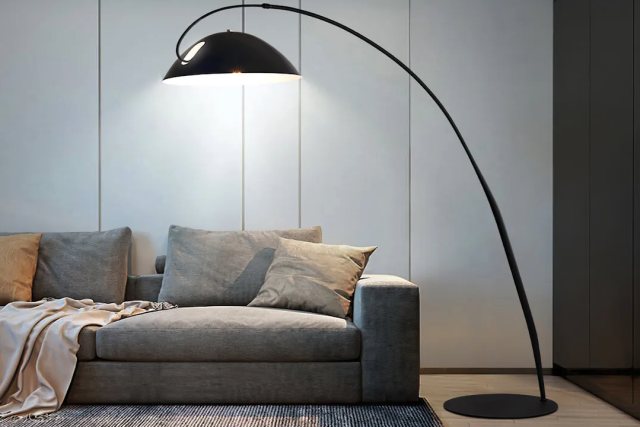
Looking to add a touch of industrial chic to your lounge while getting some serious illumination? An industrial metal arc floor lamp is often the perfect answer. These aren’t your grandmother’s lamps; they’re statement pieces that combine robust functionality with sleek, modern design. Think sturdy metal, often with an exposed bulb, and that distinctive curving arm that brings light right where you need it, over a sofa or armchair, without needing a ceiling fixture. They’re practical, stylish, and can really define a living space.
So, why go for an arc lamp, specifically an industrial metal one, instead of a more traditional floor lamp? It boils down to a few key advantages, both aesthetic and practical.
Maximizing Your Space
One of the biggest selling points of an arc lamp is its ability to bring light Top5lamp to the center of a seating area without taking up valuable floor space there. Imagine you have a sofa floating in the middle of a room, or pulled away from a wall. A standard floor lamp would have to sit behind it, casting light from an awkward angle, or you’d need a coffee table lamp, which eats into surface area. An arc lamp, however, can be positioned off to the side, its long, arching arm extending over the seating area, providing direct overhead light where it’s most needed. It’s a clever bit of engineering that solves a common lighting dilemma.
A Design Statement
Beyond pure utility, these lamps are undeniably eye-catching. The industrial style, with its often raw or distressed metal finishes, exposed hardware, and minimalist lines, adds a sophisticated, urban edge to any room. It’s not just a light source; it’s a piece of art that anchors your decor. The arc itself creates a dramatic silhouette, drawing the eye and adding architectural interest. If you want a lamp that does more than just blend in, an industrial arc lamp is a solid choice.
Versatility in Lighting
While it might seem like a focused light source, many arc lamps offer a good amount of versatility. Depending on the shade and bulb, you can achieve different lighting effects, from ambient glow to targeted task lighting. We’ll delve into bulb types a bit more later, but the important thing to remember is that you’re not stuck with just one kind of light.
Deciphering Industrial Style: What It Means for Your Lamp
“Industrial” isn’t just a buzzword; it refers to a distinct aesthetic born from factories, warehouses, and old workshops. When applied to lighting, it translates into specific material choices and design elements.
Material Matters: Metal at its Core
The defining characteristic of an industrial metal arc lamp is, of course, the metal. You’ll typically encounter a few common types, each with its own look and feel.
Steel and Iron
These are the workhorses of industrial design. Steel, often powder-coated in matte black, dark bronze, or even a deep grey, provides a sturdy and modern look. Iron, with its heavier, sometimes rougher texture, can lend a more vintage or reclaimed feel. When you see exposed welds or a slightly hammered finish, that’s often steel or iron showing off its heritage. These metals are durable and can take a beating, which aligns perfectly with the industrial ethos of strength and longevity.
Brass and Copper Accents
While not always the main body, brass and copper often appear as accents. Think brass joints, copper wiring details, or even a brushed brass shade. These warm metals contrast beautifully with the darker steel or iron, adding a touch of understated elegance and history. They can also develop a lovely patina over time, which only enhances the industrial aesthetic.
Minimalist Finishes
You won’t often find glossy, highly polished finishes on industrial lamps. Instead, look for matte, brushed, aged, or even deliberately distressed finishes. These textures contribute to the raw, utilitarian look. Black, bronzed, and grey are dominant colors, offering a neutral palette that integrates well with various interior styles.
Form Follows Function: Key Design Elements
Industrial design is inherently practical. Every component often looks like it serves a purpose, even if it’s purely decorative in a modern context.
Exposed Hardware
Bolts, rivets, visible joints, and even exposed electrical cords (often fabric-wrapped for a vintage touch) are common features. This isn’t about hiding things; it’s about celebrating the mechanics and how the lamp is put together. It adds to the authentic, workshop-inspired feel.
Simple Silhouettes
Shapes are typically clean and straightforward. The arc itself is a statement, but the head of the lamp or the base will generally be unfussy. Conical, dome, or cage-style shades are popular, again emphasizing functionality and light direction. The base is often heavy and solid, designed for stability given the lamp’s reach.
Adjustable Features
Many industrial arc lamps offer adjustability. This might include swiveling shades, adjustable height on the arc, or articulation points along the arm. This reinforces the functional aspect – the idea that a tool should be adaptable to the task at hand. It also means you can fine-tune your lighting setup.
Finding the Right Fit: Sizing and Placement
Choosing an arc lamp isn’t just about liking the look; it’s about ensuring it works harmoniously within your lounge, both physically and aesthetically.
Measuring Up: Dimensions Are Key
Before even thinking about style, get out your tape measure.
Arc Reach
The “reach” is how far the arc extends from its base. This is crucial for ensuring the light head sits comfortably over your sofa or armchair. You don’t want it bumping into heads or casting light past where you need it. Roughly measure the distance from the likely placement of the lamp’s base to the center of your seating area. Then, add a little wiggle room.
Height Clearance
Consider the maximum height of the lamp. Will it clear your ceiling fan if you have one? Will it feel imposing in a room with lower ceilings? While the arc can bring the light source lower, the overall height of the arch still matters. A lamp that’s too tall in a smaller room can feel overwhelming.
Base Footprint
Industrial lamps often have substantial, heavy bases for stability. Make sure you have enough floor space for the base without it becoming a tripping hazard or blocking a walkway. Some bases are round, others square, and their diameter or side length can vary significantly.
Strategic Placement: Where to Put It
The beauty of an arc lamp is its ability to extend over a space, but placement still needs thought.
Beside a Sofa or Sectional
This is the classic placement. Position the base off to one side of the sofa, letting the arc bring the light directly over the cushions, perfect for reading or simply illuminating the seating area. For a very long sectional, you might even consider two lamps, one at each end, or a single very long-reach lamp.
Over an Armchair or Reading Nook
Create a cozy reading corner by placing an arc lamp next to a favorite armchair. The directed light is ideal for focusing on a book or magazine. Make sure the lamp’s height allows for comfortable reading without glare.
Behind a Console Table
If space is tight, sometimes the base can tuck behind a narrow console table or sideboard, with the arc extending out over the main lounge space. This clever trick can free up floor space, but ensure the table is stable enough not to wobble with the lamp’s weight.
Illumination & Ambiance: Bulb Choices and Features
The lamp itself is only half the story; the bulb you choose will dramatically impact the light quality and overall feel of your lounge.
Bulb Types: Beyond Incandescent
With the phase-out of traditional incandescents, you’ll mainly be looking at LEDs, but there are still choices to be made.
LED: The Modern Standard
LEDs are energy-efficient, long-lasting, and often dimmable. They come in a vast array of color temperatures (more on that below). For industrial lamps, you might opt for stylish “Edison” style LEDs, which mimic the look of vintage filament bulbs but with all the LED benefits. These often have visible internal filaments and a warm, inviting glow.
Dimmable vs. Non-Dimmable
This is a big one. For a lounge, flexibility in lighting is key. A dimmable bulb paired with a compatible dimmer switch (either on the lamp itself or a wall switch) allows you to adjust the brightness to suit the mood – bright for reading, soft for movie watching. Always check if both the lamp and the bulb are dimmable before purchasing.
Color Temperature: Setting the Mood
Color temperature, measured in Kelvins (K), dictates whether the light appears warm (yellow-orange) or cool (blue-white).
Warm White (2700K – 3000K)
This is typically the most popular choice for living spaces. It mimics the warm glow of traditional incandescent bulbs and creates a cozy, inviting, and relaxing atmosphere. This is often ideal for a lounge.
Neutral White (3500K – 4000K)
Brighter and less yellow than warm white, neutral white is good for areas where you want a bit more clarity but still a comfortable feel. It can be a good compromise if you use your lounge for various tasks.
Cool White (4500K – 6500K)
While great for task lighting in kitchens or offices, cool white can feel too stark and clinical for a lounge. It’s generally best avoided in areas where you want to relax. For an industrial lamp, sticking to warm or neutral white usually works best to enhance the aesthetic rather than detract from it.
Shade Design and Light Dispersion
The shade plays a crucial role in how the light is emitted.
Open Cages/Exposed Bulbs
Many industrial arc lamps feature open wire cages or simply expose the bulb. This design choice maximizes light output in all directions (though often directed downwards by the arc) and celebrates the bulb itself as part of the aesthetic. It can create interesting light patterns on the ceiling or walls if you use a uniquely shaped bulb.
Dome or Conical Shades
These direct light downward more effectively, creating a focused pool of light. They’re excellent for task lighting over a reading chair or sofa, and they prevent direct glare. The inside of these shades is often white or reflective to enhance light output.
Pairing Your Lamp: Integrating with Your Decor
An industrial metal arc lamp is a versatile piece, but ensuring it complements your existing decor will make it truly shine.
Complementary Styles
While industrial is a strong aesthetic, it plays well with others.
Modern and Contemporary
This is a natural fit. The clean lines and minimalist nature of industrial design mesh perfectly with modern and contemporary furniture, materials like glass, concrete, and unpolished wood. An industrial arc lamp can add a touch of edgy sophistication to a sleek, contemporary space.
Mid-Century Modern
The iconic arc shape itself has roots in mid-century design. Pairing an industrial metal arc lamp with mid-century furniture (think Danish modern or Eames-era pieces) can create a wonderfully eclectic yet cohesive look, blending the warmth of wood with the coolness of metal.
Rustic and Farmhouse (with a Twist)
If your lounge leans towards rustic or farmhouse, an industrial arc lamp can provide a cool contrast. The metal adds a sense of “found object” or “reclaimed” style that works well with natural wood, distressed finishes, and earthy tones. It prevents the space from feeling too cutesy or overtly traditional, adding a bit of an urban edge.
Eclectic Spaces
For those who love to mix and match, an industrial arc lamp can be a fantastic anchor piece. Its neutral colors (blacks, greys, bronzes) and strong form allow it to blend into diverse themes while still making a statement.
Textures and Materials to Pair With
Think about the materials present in your lounge.
Wood
Industrial metal and wood are a classic combination. The coolness of the metal contrasts beautifully with the warmth and grain of wood, whether it’s a robust coffee table, a wooden floor, or a exposed beam ceiling.
Leather
A leather sofa or armchair provides a rich, tactile counterpoint to the lamp’s metallic finish. Both materials share a sense of durability and tend to age gracefully, developing character over time.
Concrete and Stone
If you have elements like exposed brick, concrete floors, or stone fireplaces, an industrial lamp will feel right at home, reinforcing the raw, structural aesthetic.
Soft Furnishings
To balance the often hard lines of industrial design, introduce soft textures. Plush rugs, woolen throws, velvet cushions, and linen curtains will provide comfort and visual warmth, preventing the space from feeling cold or stark. This contrast is key to making an industrial lamp feel inviting in a lounge setting.
By thoughtfully considering these aspects, your industrial metal arc floor lamp won’t just be a light source; it’ll be a vital and stylish component of your lounge’s overall design.
Hottest Posts
Lighting
Japandi-Inspired Living Room: Paper and Oak Lighting
Lighting
Subtle Pantry Lighting: Leave On Low for Convenience
Lighting
Soft and Gentle Kitchen Sink Lighting
Decoration
Modern Night Light Cage Shade Ceiling Lamp: A Stylish Addition to Any Room
Floor lamp
Enhance Your Italian Living Room with a Chrome Arc Floor Lamp
Table lamp
Timeless Elegance: French Vintage Dome Shade Table Lamp