
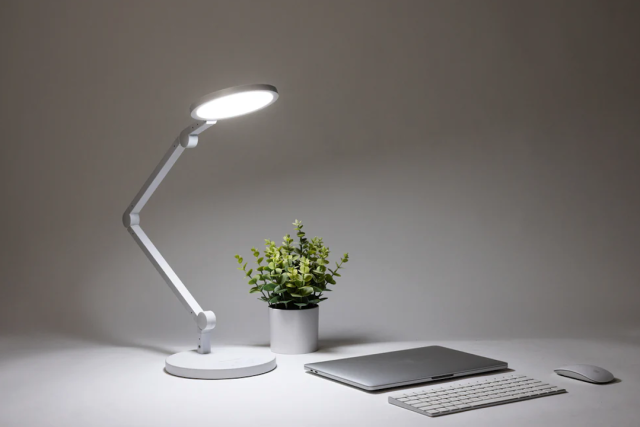
Thinking about upgrading your study setup with a new desk lamp? The short answer is yes, an adjustable desk lamp, especially one with thoughtful lighting options, can significantly improve your focus, reduce eye strain, and even boost your productivity. It’s not just about having a light source; it’s about having the right light source that adapts to your needs throughout the day and with different tasks.
Many of us grew up with a basic desk lamp – a fixed arm, a single bulb, and a simple on/off switch. While this might have been sufficient for occasional use, modern study and work habits demand more. Staring at screens for extended periods, switching between physical notes and digital documents, and working both day and night create specific lighting challenges that older lamps Scules simply can’t address effectively. You might find yourself squinting, getting headaches, or feeling a general sense of fatigue that you didn’t connect to your lighting.
The Problem with Fixed Lighting
A lamp with a fixed light level can be too bright in a dimly lit room, causing glare, or too dim during the day, making you strain to read. This constant fight for appropriate illumination can lead to discomfort without you even realizing the root cause. Moreover, a static light temperature can mess with your natural circadian rhythm, especially if you’re using cool light late into the evening.
The Screen Glare Conundrum
Screens emit their own light, and when combined with an improperly positioned or too bright desk lamp, you often end up with uncomfortable glare. This reflective light on your monitor or tablet can be a major source of eye fatigue and reduced focus. An adjustable lamp allows you to angle the light away from your screen while still illuminating your workspace.
Key Features for a Modern Study Lamp
When you are looking for a new desk lamp, there are a few features that are particularly valuable for a modern study setup. These go beyond just turning a light on and off and delve into how the light interacts with your tasks and your environment.
Brightness Control (Dimming)
The ability to dim your lamp is probably the most crucial feature. Think about it: reading a physical book in a dark room requires a different light intensity than reviewing notes during the day.
Stepless vs. Step Dimming
Some lamps offer “stepless” dimming, meaning you can slide a control up and down to find the exact brightness level you prefer. Others have “step” dimming, with predefined brightness levels. Stepless dimming offers more precise control and can be beneficial for specific tasks where a subtle change in light makes a difference.
Color Temperature Adjustment
This is where modern lamps really shine. Our eyes and brains react differently to various light temperatures. Cooler, bluer light tends to promote alertness and concentration, while warmer, yellower light is more relaxing and less disruptive to our sleep cycles.
Cool White Light (5000K-6500K)
Ideal for focused tasks, detailed work, and daytime study. This light mimics natural daylight and can help you stay awake and engaged.
Neutral White Light (3500K-4500K)
A good all-around option for general study and reading. It is less harsh than cool white but still provides good clarity.
Warm White Light (2700K-3000K)
Best for evening study or winding down. It is easier on the eyes and helps signal to your body that it’s time to prepare for sleep. Using warm light in the evening can be a simple way to improve your sleep quality.
Articulating Arm and Head
A lamp that can bend and swivel is non-negotiable for a truly adaptable setup. This allows you to direct the light precisely where you need it, minimizing shadows and glare.
Reach and Flexibility
Consider the reach of the lamp’s arm. Can it extend over your entire workspace, or is it confined to a small area? A multi-jointed arm offers the most flexibility, allowing you to position the light high above your books or low for a more concentrated beam.
Head Rotation
A lamp head that can rotate 360 degrees, or at least significantly, gives you control over the direction of the light. This is particularly useful for avoiding screen glare while still illuminating paper documents parked beside your monitor.
Strategic Placement for Optimal Lighting
The best lamp in the world won’t perform optimally if it’s placed incorrectly. Thoughtful placement can make a big difference in reducing eye strain and maximizing effectiveness.
Minimizing Shadows
Position your lamp on the opposite side of your dominant hand to avoid casting shadows over your work. For example, if you are right-handed, place the lamp to your left. This ensures your hand doesn’t block the light as you write or interact with physical materials.
Indirect vs. Direct Lighting
While a desk lamp typically provides direct lighting for your workspace, consider how it interacts with the ambient lighting in your room. If your room is very dark, a bright desk lamp can create harsh contrasts that lead to eye fatigue. A softer, diffused light source, perhaps a floor lamp, in the background can help balance the overall illumination and make your desk lamp more comfortable to use.
Avoiding Screen Glare
Angle the lamp so the light falls on your physical work surface but does not directly hit your computer screen. This is where an articulating arm and a rotatable lamp head become essential. Experiment with different angles until you find a sweet spot where your papers are well lit without reflections on your monitor.
Beyond the Basics: Advanced Features to Consider
Some modern lamps come with additional functionalities that can offer further convenience and long-term benefits to your study environment. While not strictly essential, they can enhance the overall experience.
USB Charging Port
Many desk lamps now integrate a USB charging port, which can be incredibly handy for keeping your phone, tablet, or other small electronic devices charged without cluttering your workspace with extra adapters. It’s a small convenience that can make your desk feel a bit tidier.
Memory Function
A memory function allows the lamp to remember your last brightness and color temperature settings when you turn it off and on again. This saves you the trouble of readjusting your preferred settings each time you use the lamp, making for a smoother workflow.
Motion Sensor (Presence Detection)
Some higher-end models include a motion sensor that turns the lamp on when you approach your desk and off after a period of inactivity. This can conserve energy if you frequently step away from your workspace and forget to turn off the light.
Eye-Care Technology (Anti-Flicker, Blue Light Filters)
Certain manufacturers highlight “eye-care” features. This often refers to flicker-free LED lighting, which can reduce eye strain, and sometimes includes specific blue light filters for the warmer light settings. While LEDs are generally flicker-free, ensuring certification or claims of reduced flicker can provide peace of mind. The ability to switch to warmer light temperatures is inherently a blue light management strategy.
The Long-Term Benefits of Good Lighting
Investing in a proper adjustable desk lamp is not just about momentary comfort. It has tangible long-term benefits that can impact your academic performance, professional output, and overall well-being.
Reduced Eye Strain and Headaches
This is arguably the biggest benefit. Consistent, appropriate lighting prevents your eyes from working overtime to adapt to inadequate conditions. Less eye strain means fewer headaches and less general fatigue, allowing you to sustain focus for longer periods.
Improved Focus and Productivity
When you are comfortable and not battling with poor lighting, your brain is free to concentrate on the task at hand. This improved focus naturally leads to higher productivity, whether you are studying for an exam or working on a complex project.
Better Sleep Quality
By using appropriate color temperatures throughout your day, you can help regulate your circadian rhythm. Cooler light during the day for alertness, and warmer light in the evening to wind down, can contribute to falling asleep more easily and getting higher-quality rest.
Enhanced Workspace Aesthetics
While functionality is key, a well-designed adjustable desk lamp can also elevate the look of your study area. Many modern lamps feature sleek, minimalist designs that can complement a contemporary aesthetic without being overly distracting. It makes your study setup feel more intentional and professional.
Choosing an adjustable desk lamp with thoughtful features regarding brightness and color temperature control, coupled with a flexible design, is a practical upgrade for any modern study or work setup. It moves beyond just illumination to actively support your comfort, focus, and overall well-being.
Hottest Posts
Lighting
Japandi-Inspired Living Room: Paper and Oak Lighting
Lighting
Subtle Pantry Lighting: Leave On Low for Convenience
Lighting
Soft and Gentle Kitchen Sink Lighting
Decoration
Modern Night Light Cage Shade Ceiling Lamp: A Stylish Addition to Any Room
Floor lamp
Enhance Your Italian Living Room with a Chrome Arc Floor Lamp
Table lamp
Timeless Elegance: French Vintage Dome Shade Table Lamp