
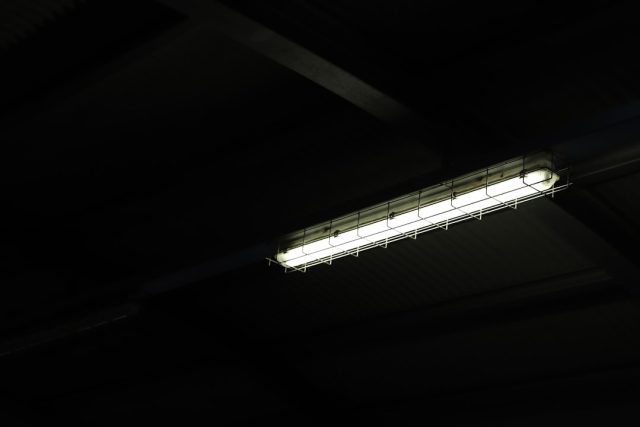
Understanding Ultra-Thin LED Ceiling Lights
Ultra-thin LED ceiling lights represent a distinct category of lighting fixtures designed to address specific spatial and aesthetic concerns, particularly within residences. These fixtures are characterized by their minimal height, making them suitable for environments where traditional, more voluminous light sources might be impractical or visually overwhelming. The core technology employed is Light Emitting Diode (LED), which offers a combination of energy efficiency, longevity, and controllability. This article will delve into the technical aspects, practical applications, and considerations for selecting and installing ultra-thin LED ceiling lights, with a particular focus on their utility in low-ceiling apartments.
Design and Construction
The defining characteristic of an ultra-thin LED ceiling light is its reduced profile. Unlike conventional flush-mount fixtures that often feature a domed or thicker diffuser, these lights minimize this depth.
Slim Profile Design
The slim profile is achieved through several design strategies. The LED modules themselves are inherently compact. Rather than relying on a large, bulky bulb housed within a substantial fixture, the LEDs are typically integrated into a flat panel or a series of discreet chips spread across a thin substrate. This substrate is then covered by a slim diffuser.
- Reduced Vertical Space: This design directly translates to preserving valuable vertical space in a room. In apartments with low ceilings, an extra inch or two can make a significant difference in the perceived openness and comfort of a living area. A bulky fixture can make a low ceiling feel even lower, creating a sense of claustrophobia. Ultra-thin lights, conversely, blend more seamlessly with the ceiling, creating a less imposing presence.
- Aesthetic Integration: Beyond purely functional considerations, the slim design contributes to a more modern and minimalist aesthetic. They tend to recede visually, allowing the focus to remain on the overall decor and functionality of the room rather than the light fixture itself.
- Material Science: The diffusers are often made from thin, translucent polycarbonate or acrylic materials. These materials are chosen for their light-diffusing properties, ensuring an even distribution of light without visible hotspots from individual LEDs, while maintaining their thinness. The housing itself is also constructed from lightweight yet durable materials, often brushed aluminum or high-impact plastic, to contribute to the low overall weight and profile.
LED Technology Integration
The integration of LED technology is fundamental to the ultra-thin design. LEDs consume less power and generate less heat than incandescent or fluorescent bulbs, allowing for smaller, less robust heat sinks and enabling the overall miniaturization of the fixture.
- Energy Efficiency: LEDs are renowned for their energy efficiency. They convert a higher percentage of electrical energy into light compared to older lighting technologies. This means a lower wattage LED fixture can produce the same or even greater lumen output as a higher wattage incandescent or fluorescent fixture. This translates into reduced electricity bills for the consumer, a significant consideration for apartment dwellers.
- Longevity: The lifespan of LED lights is considerably longer than traditional bulbs. This longevity minimizes the need for frequent replacements, reducing maintenance effort and cost over time. For an apartment, where access to replace ceiling fixtures might be less convenient, this is a practical advantage.
- Heat Dissipation: While LEDs produce less heat than other lighting technologies, effective heat dissipation is still crucial for their longevity and performance. In ultra-thin fixtures, this is managed through clever design integration, utilizing the slim housing as a heat sink element or incorporating small, efficient thermal management systems within the confined space. The reduced heat output also contributes to a safer environment, particularly in enclosed spaces within the fixture.
- Instant On and Controllability: LEDs offer instant illumination without the warm-up period often associated with fluorescent lights. Furthermore, many ultra-thin LED ceiling lights are designed to be dimmable and compatible with smart home systems, offering a high degree of control over light output and ambiance.
Suitability for Low Ceiling Apartments
The inherent design of ultra-thin LED ceiling lights makes them particularly well-suited for apartments with low ceilings. This section explores the specific advantages they offer in such environments.
Maximizing Perceived Space
A significant challenge in low-ceilinged apartments is the potential for the space to feel cramped. Lighting plays a crucial role in how we perceive volume and height.
- Illusion of Height: By minimizing vertical intrusion, ultra-thin lights create an illusion of greater height. They blend into the ceiling surface, performing their function without drawing undue attention to the ceiling itself. This allows the eye to travel upwards more freely, fostering a sense of openness. A darker, recessed fixture can also contribute to this illusion by making the ceiling appear further away.
- Avoiding Visual Obstructions: Traditional ceiling lights, with their more pronounced profiles, can act as visual barriers, breaking up the vertical flow of a room. Ultra-thin lights, by being flush or nearly flush with the ceiling, avoid this obstruction. They function as a diffused light source rather than a substantial object, allowing the architectural lines of the room to remain dominant.
- Illuminating the Entire Area: Their wide diffusion pattern ensures that light is spread evenly across the room, illuminating the corners and edges. This prevents the creation of shadows or dark spots that can make a space feel smaller and less inviting. The even illumination contributes to a more balanced and comfortable environment.
Functional and Aesthetic Harmony
Beyond simply making a space feel larger, ultra-thin LED ceiling lights can also enhance the overall functionality and aesthetic harmony of an apartment.
- Understated Presence: Their unobtrusive design ensures they don’t compete with other decorative elements in the room, such as furniture, artwork, or architectural features. They provide necessary illumination without demanding visual attention. For an apartment where space is at a premium and a minimalist approach is often favored, this understated quality is a significant advantage.
- Versatile Styles: While the core characteristic is thinness, ultra-thin LED ceiling lights come in a variety of styles, from simple geometric shapes (round, square, rectangular) to more decorative, albeit still slim, designs. This allows for selection based on the specific interior design theme of the apartment, whether it’s modern, contemporary, or even a more traditional aesthetic seeking a subtle update.
- Uniform Lighting: The diffuse nature of the light output from these fixtures is often a key design element. This diffusion prevents glare and creates a soft, ambient light that is comfortable for extended periods. This is particularly important in living areas or bedrooms where consistent, pleasant lighting is desired. Unlike focused spotlights that can create harsh shadows, the broader spread of light from an ultra-thin LED panel is a benefit.
Installation and Maintenance Considerations
The installation and ongoing maintenance of ultra-thin LED ceiling lights are generally straightforward, though specific attention should be paid to the unique demands of low-ceiling environments.
Ease of Installation
The lightweight and low-profile nature of these fixtures often simplifies the installation process.
- Weight and Size: Their reduced weight means that standard ceiling materials are typically sufficient to support them. They do not require heavy-duty mounting hardware that might be necessary for larger, more substantial fixtures.
- Wiring Simplicity: The electrical connections are usually standard, involving connecting wires to the power supply. The integrated nature of LED drivers within the fixture often means fewer separate components to manage compared to older lighting systems.
- Mounting Mechanisms: Many ultra-thin lights utilize simple mounting brackets that are screwed into the ceiling joists or drywall. The fixture then clips or screws onto this bracket. This system can be more manageable in tight spaces, such as between ceiling joists in an older apartment.
- DIY Potential: For individuals with basic electrical knowledge, many ultra-thin LED ceiling lights are suitable for DIY installation. However, it is always recommended to consult qualified electricians for any electrical work to ensure safety and compliance with local building codes.
Ongoing Maintenance and Lifespan
The maintenance requirements for ultra-thin LED ceiling lights are minimal, contributing to their long-term viability.
- No Bulb Replacement: A significant advantage is the absence of traditional bulbs that require periodic replacement. The LED chips have a very long operational lifespan, often tens of thousands of hours, meaning they are unlikely to need replacement within the typical lifespan of an apartment dwelling.
- Cleaning the Diffuser: The primary maintenance task involves cleaning the diffuser to remove dust and grime, which can accumulate over time and slightly reduce light output. This is typically done with a soft, dry cloth or a damp cloth with mild soap. Accessing the diffuser for cleaning is usually straightforward, as many fixtures are designed for easy disassembly.
- Driver Longevity: While the LEDs themselves are highly durable, the integrated LED driver (the electronic component that regulates power to the LEDs) also has a lifespan. However, these drivers are also designed for longevity, and failures are relatively uncommon. If a driver were to fail, it would likely necessitate the replacement of the entire fixture, as they are typically integrated.
- Energy Savings: The low energy consumption of LED technology means that maintenance also extends to reduced electricity bills. Over the years, these savings can be substantial, particularly in a property where lighting is used extensively.
Lighting Quality and Customization
The quality of light emitted by ultra-thin LED ceiling lights is a crucial factor in their overall performance, and modern options offer a surprising degree of customization.
Color Temperature and Brightness
The ability to control the color of the light and its intensity is a hallmark of modern LED technology.
- Color Temperature (Kelvin Scale): Ultra-thin LED ceiling lights are available in a range of color temperatures, typically measured in Kelvin (K).
- Warm White (2700K – 3000K): This mimics the warm, yellowish glow of incandescent bulbs, creating a cozy and relaxing atmosphere. It is ideal for living rooms, bedrooms, and dining areas.
- Cool White (4000K – 4500K): This provides a neutral, daylight-like white light, which is crisp and energizing. It is suitable for kitchens, bathrooms, and workspaces where clarity is important.
- Daylight (5000K – 6500K): This offers a bluer, brighter light that closely resembles natural daylight. It is best for task-oriented areas or spaces where alertness is desired.
- The ability to choose the appropriate color temperature can profoundly impact the mood and functionality of a low-ceilinged apartment. For example, a warmer temperature can make a smaller space feel more intimate and less stark.
- Brightness (Lumens): Lumens measure the total amount of visible light emitted by a source. Ultra-thin LED ceiling lights come in various lumen outputs, allowing users to select a fixture that provides adequate illumination for the size and purpose of the room. Over-lighting a small space can make it feel overwhelming, while under-lighting can make it feel dingy.
- CRI (Color Rendering Index): The CRI indicates how accurately a light source reveals the true colors of objects. A higher CRI (typically 80+) means colors will appear more natural and vibrant. This is important for appreciating decor and creating a visually appealing environment.
Dimming and Smart Control Capabilities
Many ultra-thin LED ceiling lights offer advanced features that enhance their usability and integration into modern living.
- Dimmability: The ability to dim the lights allows for precise control over the ambiance of a room. In a low-ceilinged apartment, dimming can be used to soften the light in the evening, making the space feel more intimate and less exposed by overhead lighting. It also serves as a functional tool, allowing for reduced light levels during activities like watching movies or during meals. It’s important to ensure compatibility with household dimmer switches, as not all LED fixtures are dimmable, and not all dimmers are compatible with all dimmable LEDs.
- Smart Home Integration: An increasing number of ultra-thin LED ceiling lights are “smart.” This means they can be controlled remotely via a smartphone app or integrated into smart home ecosystems (e.g., Amazon Alexa, Google Assistant, Apple HomeKit).
- Remote Control: Users can turn lights on or off, adjust brightness, and change color temperature from anywhere. This convenience can be particularly useful in an apartment, allowing for control without needing to be in the same room.
- Scheduling and Automation: Smart lights can be programmed to turn on or off at specific times, simulating occupancy for security or simply providing convenience. They can also be linked to other smart devices, creating automated lighting scenes based on activities or times of day. For instance, lights could dim and warm their color as evening approaches.
- Voice Control: The ability to control lights with voice commands adds another layer of convenience, especially when hands are full or when relaxing.
Applications Beyond Residential Spaces
While the primary focus is on low-ceiling apartments, the advantages of ultra-thin LED ceiling lights extend to other environments where space is a constraint or a minimalist aesthetic is desired.
Commercial and Retail Spaces
In commercial settings, particularly where ceiling height is limited, ultra-thin LEDs offer a practical and attractive lighting solution.
- Shops and Boutiques: In retail environments, especially smaller boutiques or shops within larger malls, maintaining an open feel is crucial for customer flow and product display. Ultra-thin LEDs provide ample illumination without visually shrinking the space. Their ability to offer different color temperatures can also be used to highlight merchandise effectively.
- Office Spaces (Smaller Rooms): Smaller meeting rooms, private offices, or breakout areas in commercial buildings can also benefit. They offer functional lighting without the imposing presence of traditional fixtures, contributing to a more comfortable and less sterile working environment.
- Hallways and Corridors: In both residential and commercial buildings, narrow or low-ceilinged hallways can feel like passageways solely to get from one place to another. Ultra-thin, evenly distributed lighting can make these areas feel more welcoming and less like utilitarian tunnels.
Hospitality and Healthcare Settings
The need for comfortable, functional, and visually appealing lighting is paramount in hospitality and healthcare.
- Hotel Rooms and Lobbies: In hotel rooms, especially those in older buildings, low ceilings are common. Ultra-thin LEDs can provide a warm, inviting glow without making the room feel smaller. In lobbies or common areas, they can contribute to a sophisticated ambiance.
- Healthcare Facilities (Non-Critical Areas): In areas like waiting rooms, patient rooms (where appropriate), or administrative offices within hospitals or clinics, the calming effect of diffused, controllable lighting is beneficial. The ease of maintenance also aligns with the often stringent hygiene standards in these environments.
- Dormitories and Student Housing: These settings frequently feature compact living spaces with limited ceiling height. Ultra-thin LED lights are an ideal solution for providing students with sufficient, energy-efficient, and aesthetically pleasing illumination.
Architectural and Design Integration
Beyond their functional illumination, ultra-thin LED ceiling lights can be integral to architectural and interior design schemes.
- Recessed Integration: While many are surface-mounted, some ultra-thin LED fixtures are designed for recessed mounting, creating a seamless, almost invisible lighting solution. This is particularly effective in creating a clean, modern look where the light source itself becomes an architectural element rather than a separate fixture.
- Linear Lighting Systems: Ultra-thin LED panels can be combined to form linear lighting systems, providing continuous illumination along walls or ceilings. This is a powerful design tool for defining spaces or highlighting architectural features.
- Accent Lighting: While primarily used for general illumination, some very slim LED fixtures can also be used for subtle accent lighting in specific areas, drawing attention to artwork or architectural details without adding bulk.
By understanding the design principles, practical benefits, and varied applications of ultra-thin LED ceiling lights, individuals can make informed decisions to enhance their living and working environments, particularly in spaces where ceiling height is a consideration. Their ability to blend form and function makes them a valuable lighting solution for contemporary living.
Hottest Posts
Pendant light
Ultra Thin LED Ceiling Light: Perfect for Low Ceiling Apartments
Furniture
Creating a Cozy Ambiance with Hanging Lights in Your Restaurant
Pendant light
Enhance Your Hotel Lobby with a Stunning Crystal Chandelier
Lighting
Capturing the Golden Hour Aesthetic with Glass Ceiling Mount
Lighting
Creating a Relaxing Bedroom with Soft Diffused Light
Lighting
Parisian Chic: Glass Pendant Lighting for Effortless Elegance