
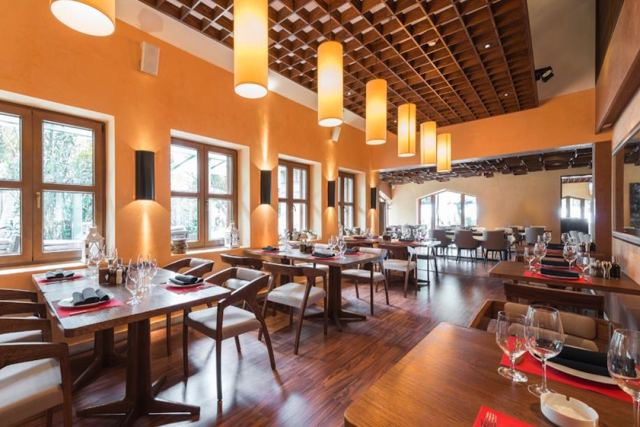
Within the realm of restaurant design, ambiance plays a critical role in shaping the customer experience. A well-crafted atmosphere can differentiate an establishment, encouraging repeat visits and positive word-of-mouth. Among the various tools available to designers, lighting stands as a fundamental element, capable of transforming a space from utilitarian to inviting. Specifically, hanging lights offer a versatile and effective method for cultivating a cozy ambiance. This article explores the principles and practicalities of utilizing hanging lights Garralighting to enhance the atmosphere of your restaurant.
Ambiance, in the context of a restaurant, refers to the overall character and atmosphere of the environment. It is a composite of visual, auditory, and even olfactory cues that collectively influence a diner’s perception and emotional state. A restaurant’s ambiance can be the silent narrator of its story, subtly communicating its brand identity, cuisine style, and desired social dynamics. For example, a dimly lit space with soft background music might evoke intimacy and sophistication, while a brightly lit, bustling environment could suggest energy and casual dining.
The impact of ambiance extends beyond mere aesthetics. Research in environmental psychology indicates that surroundings significantly affect customer behavior. A comfortable and inviting atmosphere can:
- Increase dwell time: Diners are more likely to linger in a space where they feel at ease, potentially leading to additional orders.
- Influence perception of food: Studies suggest that a pleasant environment can positively bias a diner’s evaluation of the food itself, even if the culinary quality remains constant.
- Encourage repeat visits: A memorable and enjoyable experience, heavily influenced by ambiance, fosters loyalty.
- Generate positive reviews: A harmonious environment contributes to a holistic positive experience that customers are inclined to share.
Therefore, creating a desirable ambiance is not merely an aesthetic choice, but a strategic business imperative.
The Role of Lighting in Ambiance
Lighting is arguably the most potent component in shaping a restaurant’s ambiance. It acts as the painter’s brush, defining mood, highlighting features, and guiding the eye. The quality, intensity, and direction of light all contribute to the overall feeling of a space. Harsh, bright lighting, for instance, can evoke a sense of urgency, typically found in fast-food establishments where quick turnover is desired. Conversely, soft, diffused lighting can foster relaxation and intimacy, suitable for fine dining or casual eateries aiming for a comfortable atmosphere.
Hanging lights, specifically, offer unique advantages in this regard. Their suspended nature allows for strategic placement and varied light distribution, enabling designers to:
- Define spatial zones: A cluster of pendant lights can delineate a specific dining area, creating a sense of intimacy within a larger space.
- Add vertical interest: Hanging fixtures draw the eye upwards, adding visual depth and dimension to a room, preventing it from feeling flat or sterile.
- Create focal points: A striking chandelier or a series of unique pendant lights can serve as an artistic centerpiece, drawing attention and reinforcing the restaurant’s aesthetic.
Selecting the Right Hanging Lights
The selection of hanging lights should align with the restaurant’s overall theme, target demographic, and desired atmosphere. The market offers a vast array of options, each with distinct characteristics regarding design, material, and light output. A methodical approach to selection is crucial.
Types of Hanging Lights
The primary categories of hanging lights commonly employed in restaurants include:
- Pendant Lights: These fixtures typically consist of a single light source suspended from the ceiling by a rod or cord. They are highly versatile and come in countless designs, from minimalist industrial styles to elaborate decorative pieces. Their focused light makes them ideal for illuminating individual tables or task areas.
- Chandeliers: Larger and more ornate than pendant lights, chandeliers often feature multiple light sources and intricate designs. They are commonly used as central statement pieces in grander dining rooms, providing ambient general lighting and a touch of luxury.
- Linear Pendant Lights: These elongated fixtures often house multiple light sources along their length. They are well-suited for illuminating long tables, bars, or kitchen islands, providing even light distribution over a larger surface area.
- Cluster Pendants: Comprising multiple individual pendant lights grouped together at varying heights, cluster pendants offer a dynamic and visually interesting lighting solution. They can create a dramatic focal point and provide a broader spread of light than a single pendant.
Material and Finish Considerations
The material and finish of hanging lights play a significant role in their aesthetic contribution and how they interact with the overall décor. Common materials include:
- Metal: Ranging from polished chrome and brushed brass to matte black and aged copper, metal fixtures offer durability and a wide spectrum of visual styles. Industrial designs often favor raw or unfinished metals, while more traditional spaces might opt for ornate, polished finishes.
- Glass: Clear, frosted, colored, or textured glass can dramatically alter light diffusion. Clear glass allows for brighter, more direct light, while frosted or textured glass diffuses light, creating a softer glow.
- Wood: Wooden fixtures can introduce warmth and a natural element to a space, particularly suitable for rustic, Scandinavian, or minimalist themes.
- Fabric: Fabric shades offer a soft, diffused light and can introduce texture and color to a design. They are often used to create a more intimate and cozy feel, but require more maintenance due to dust accumulation.
When considering materials, also evaluate their ease of cleaning and durability in a commercial setting, where maintenance is a constant factor.
Light Quality and Color Temperature
Beyond the fixture itself, the quality and color temperature of the light emitted are critical.
- Color Temperature: Measured in Kelvin (K), color temperature dictates the perceived warmth or coolness of light.
- Warm White (2700K-3000K): Emits a soft, yellowish light, similar to incandescent bulbs. This range is highly effective for creating a cozy, inviting, and intimate atmosphere, often preferred in restaurants.
- Natural White (3500K-4500K): Offers a neutral white light, suitable for general illumination where a balance between warmth and clarity is desired.
- Cool White (5000K-6500K): Produces a bluer, brighter light, often perceived as crisp and energetic. Generally less suitable for cozy restaurant ambiance, but might be used in kitchens or specific task areas.
- Color Rendering Index (CRI): CRI measures how accurately a light source renders colors compared to natural daylight. A CRI of 80 or higher is generally recommended for restaurants to ensure food appears appetizing and colors within the décor are accurately represented. Poor CRI can make food look unappealing, regardless of its actual quality.
Strategic Placement and Layering
The effective utilization of hanging lights goes beyond mere selection; it hinges on strategic placement and the layering of different light sources. Think of light as an orchestra, with each type of fixture playing a distinct role in the overall symphony.
General Ambient Lighting
This foundational layer provides overall illumination for the space, ensuring visibility and preventing patrons from feeling as if they are dining in a cave. While hanging lights can contribute to ambient lighting (e.g., through chandeliers or larger pendant groups), they often work in conjunction with recessed lighting or wall sconces to achieve a balanced base illumination. For a cozy ambiance, ambient light should be relatively soft and diffused, avoiding harsh shadows.
Task Lighting
Task lighting focuses illumination on specific areas where activities occur, such as individual dining tables, bar tops, or service stations. Pendant lights excel in this role. Placing a pendant light directly above each table, or strategically spaced over a bar, provides focused light for patrons to read menus and appreciate their meals without over-illuminating the entire room. The height of these pendants is critical; they should illuminate the table surface efficiently without obstructing views or creating glare.
Accent Lighting
Accent lighting is used to highlight specific features, such as artwork, architectural details, or a display of wines. While often achieved with spotlights or track lighting, smaller, decorative pendant lights or mini-chandeliers can also serve as accent pieces, drawing attention to areas you wish to emphasize. This layer adds visual interest and depth, breaking up monotony and guiding the eye.
Decorative Lighting
Beyond their functional roles, hanging lights can serve purely decorative purposes, acting as sculptural elements that enhance the restaurant’s aesthetic. A unique, artisan-crafted pendant or a series of intentionally mismatched fixtures can contribute significantly to the restaurant’s brand identity and add personality to the space. These elements function like jewelry for the room, offering visual delight even when not fully illuminated.
Dimming and Control Systems
The ability to control the intensity of light is paramount in cultivating a dynamic and adaptable ambiance. A static lighting scheme, regardless of how well-designed, can feel monotonous. Dimmer switches are indispensable tools for refining the atmosphere to suit different times of day, events, or desired moods.
Benefits of Dimming Systems
- Adaptability: A restaurant’s lighting needs change throughout the day. Bright light might be suitable for lunch service, while a softer, dimmer setting is ideal for dinner or late-night cocktails. Dimming systems allow for seamless transitions.
- Energy Efficiency: Dimming lights reduces power consumption, contributing to lower operating costs and a smaller environmental footprint.
- Enhanced Customer Experience: Allowing patrons to adjust the lighting at their tables (where appropriate) offers a degree of personalization, enhancing perceived comfort. More commonly, allowing staff to adjust lighting based on evolving ambiance needs improves the overall experience.
- Mood Creation: The subtle manipulation of light intensity can dramatically alter the mood of a space, shifting from lively to intimate with a flick of a switch.
Advanced Control Systems
Beyond basic dimmer switches, more sophisticated control systems offer enhanced functionality:
- Zoning: Dividing the restaurant into distinct lighting zones allows for independent control of different areas. For example, the bar area could be brightly lit while the main dining room maintains a softer glow.
- Preset Scenes: Programmable scenes allow for pre-defined lighting configurations for various occasions (e.g., “Lunch,” “Dinner,” “Happy Hour,” “Private Event”). This ensures consistency and simplifies operation for staff.
- Astronomic Clocks and Occupancy Sensors: These advanced features can automate lighting adjustments based on natural daylight levels or the presence of patrons, further optimizing energy use and convenience.
Implementing a well-designed control system transforms lighting from a static element into a responsive and dynamic component of the restaurant’s operational experience.
Maintenance and Safety Considerations
While the aesthetic and functional aspects of hanging lights are primary concerns, practical considerations regarding maintenance and safety are equally crucial for any commercial establishment. Neglecting these aspects can lead to operational disruptions, safety hazards, and a diminished customer experience.
Regular Cleaning and Bulb Replacement
Hanging light fixtures, particularly those with intricate designs or fabric shades, can accumulate dust, grease, and other airborne particles common in a restaurant environment. Regular cleaning is essential not only for aesthetic appeal but also for maintaining optimal light output. A layer of grime can significantly reduce the brightness and quality of light. Establish a consistent cleaning schedule proportionate to the fixture’s exposure and material.
Bulb replacement is another ongoing maintenance task. While LED technology has extended bulb lifespans considerably, failures still occur. Keep an inventory of spare bulbs to ensure prompt replacement. Consider using bulbs with consistent color temperatures and wattages across the space to avoid visual inconsistencies.
Electrical Safety and Compliance
The installation and maintenance of all electrical fixtures in a commercial setting must adhere to stringent electrical safety codes and regulations. This is not merely bureaucratic overhead; it is a critical measure to prevent electrical fires, shocks, and power outages.
- Professional Installation: Always engage qualified and licensed electricians for the installation of hanging lights. They possess the expertise to ensure proper wiring, grounding, and load balancing, preventing potential hazards.
- Weight Load: Ensure that the ceiling structure can adequately support the weight of the hanging fixtures, especially for heavier chandeliers. Incorrect mounting can lead to fixtures falling, posing a significant risk to patrons and staff.
- Code Compliance: Familiarize yourself with local electrical codes and obtain any necessary permits before commencing installation. Compliance inspections are designed to ensure safety and prevent future issues.
- Regular Inspections: Periodically inspect wiring, connections, and fixture integrity. Loose wires, frayed insulation, or damaged fixtures should be addressed immediately by a qualified professional.
By prioritizing these practical considerations, you safeguard your investment, ensure the well-being of your patrons and staff, and maintain the desired ambiance of your restaurant effectively.
In conclusion, the strategic deployment of hanging lights is a powerful method for crafting a cozy and inviting ambiance in your restaurant. Through careful selection, thoughtful placement, and intelligent control, you can transform your space into an environment that not only serves culinary delights but also offers a memorable and emotionally resonant experience for every diner. This process transcends mere decoration; it is an act of deliberate design, shaping the very soul of your establishment.
Hottest Posts
Pendant light
Height Adjustable Asymmetrical Pendant Light for Outdoor Dining Area
Lighting
Japandi-Inspired Living Room: Paper and Oak Lighting
Lighting
Subtle Pantry Lighting: Leave On Low for Convenience
Lighting
Soft and Gentle Kitchen Sink Lighting
Decoration
Modern Night Light Cage Shade Ceiling Lamp: A Stylish Addition to Any Room
Floor lamp
Enhance Your Italian Living Room with a Chrome Arc Floor Lamp