
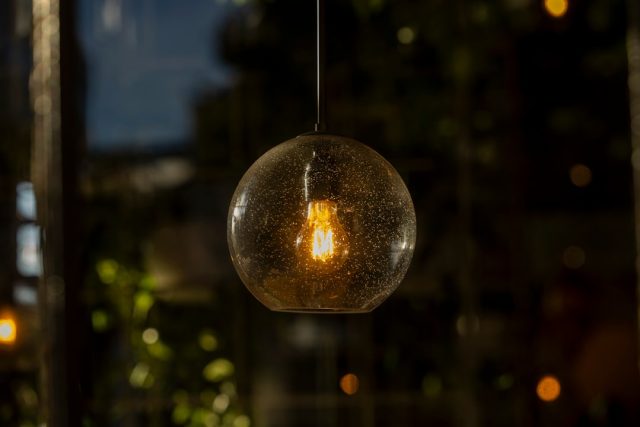
The term “golden hour” refers to a period shortly after sunrise or before sunset. During this time, the sun’s rays are diffused by the atmosphere, scattering blue light and allowing red and yellow wavelengths to dominate. This results in a soft, warm, and often dramatic illumination that is highly sought after in photography and cinematography. The characteristic long shadows and rich, saturated colors contribute to a visually appealing and evocative atmosphere.
The Physics of Light During the Golden Hour
The quality of light condepot during the golden hour is a direct consequence of atmospheric scattering. As sunlight travels through the Earth’s atmosphere, molecules and particles interact with the light waves. Shorter wavelengths, such as blue and violet, are scattered more readily than longer wavelengths.
Rayleigh Scattering and Atmospheric Effects
Rayleigh scattering, named after Lord Rayleigh, describes the scattering of electromagnetic radiation by particles much smaller than the wavelength of the radiation. In the context of sunlight, atmospheric gases like nitrogen and oxygen are responsible for scattering blue light, which is why the sky appears blue during the day.
The Role of Atmospheric Depth
The depth of the atmosphere that sunlight must traverse is significantly increased when the sun is low on the horizon. This extended path means that more blue light is scattered away before reaching the observer, leaving the longer, warmer wavelengths to prevail.
Mie Scattering and Larger Particles
While Rayleigh scattering is the primary mechanism for the golden hour’s characteristic hues, larger particles in the atmosphere, such as dust, water droplets, and aerosols, contribute through Mie scattering. Mie scattering is less wavelength-dependent and can enhance the diffusion of light, softening it further and contributing to a more diffuse, ethereal quality often associated with the golden hour.
Historical and Cultural Significance of Golden Hour Light
The appreciation for the unique qualities of golden hour light predates modern photographic technologies. Artists and cultures throughout history have recognized and depicted its impact.
Artistic Depictions of Golden Hour Light
Painters have long sought to capture the evocative nature of this light. Impressionist painters, for instance, were particularly interested in the transient effects of light on landscapes, and the golden hour provided a rich palette for their studies.
Renaissance and Beyond
Even in earlier artistic movements, the dramatic interplay of light and shadow, often associated with low sun angles, was employed to convey mood and narrative. The warm glow could imbue scenes with a sense of peace, melancholy, or divinity.
Cultural Interpretations of Warm Light
Across various cultures, warm, low-angle light has been associated with periods of rest, reflection, and transition. It can signify the end of a day’s labor, the commencement of evening rituals, or a connection to natural cycles.
The Golden Hour in Modern Media
The golden hour has become a staple in various forms of modern media, largely due to its aesthetic appeal and emotional resonance.
Cinematography and Filmmaking
Filmmakers frequently schedule shoots during these periods to achieve a particular look and feel for critical scenes. The warm light can enhance romantic moments, create a sense of nostalgia, or lend an epic quality to landscapes.
Impact on Mood and Atmosphere
The psychological impact of warm light is significant. It can evoke feelings of comfort, happiness, and intimacy, making it a powerful tool for storytelling.
Common Uses in Film Genres
Genres that often leverage the golden hour include romance, drama, and adventure films. It’s also a popular choice for commercials and music videos aiming for an aspirational or serene visual.
Photography and Visual Arts
For photographers, the golden hour is a prime time for capturing compelling images. The soft, directional light minimizes harsh shadows and brings out the texture and color of subjects.
Portrait Photography Considerations
In portraiture, the golden hour can flatter subjects by softening skin tones and creating a natural blush. The directional light also helps to sculpt the face, adding depth and dimension.
Landscape Photography Opportunities
Landscape photographers capitalize on the long shadows and saturated colors to create dramatic and inviting vistas. The warm glow can transform even ordinary scenes into works of art.
The Challenge of Capturing the Golden Hour
Despite its desirable qualities, capturing the golden hour effectively requires an understanding of its fleeting nature and the technical considerations involved.
Time Sensitivity and Planning
The precise timing of the golden hour varies daily and seasonally, requiring photographers and videographers to plan meticulously. Missing the window can mean waiting for the next day.
Predicting Sunrise and Sunset Times
Utilizing astronomical calendars, weather apps, and specialized photography tools helps to pinpoint the optimal times for shooting.
Weather’s Influence on Light Quality
Cloud cover, haze, and atmospheric pollution can significantly alter the intensity and color of the golden hour light, presenting both challenges and opportunities for creative interpretation.
Technical Aspects of Shooting
Achieving the desired results involves careful attention to camera settings, lens choices, and compositional techniques.
Exposure and White Balance
Correctly exposing for the varied brightness levels and setting appropriate white balance are crucial for preserving the warm tones without introducing unwanted color casts.
The Use of Tripods and Filters
Stabilizing the camera with a tripod is often necessary due to the lower light levels, and filters can be employed to enhance contrast or protect the lens from glare.
The Role of the Glass Ceiling Mount in Capturing the Golden Hour
The “Glass Ceiling Mount,” a conceptual term we will explore, addresses a specific challenge within the broader goal of capturing the golden hour aesthetic. It refers to the inherent limitations and perceptual barriers that can hinder the successful and consistent execution of golden hour shoots, particularly when working with advanced photographic or cinematic equipment.
Defining the “Glass Ceiling Mount”
The term “glass ceiling” is traditionally used in a sociopolitical context to describe invisible barriers that prevent certain groups from advancing in their careers. In this context, the “glass ceiling mount” metaphorically represents unseen obstacles that limit the potential of a photographer or videographer to fully exploit the golden hour, even with access to excellent equipment. The “mount” signifies the support structure or framework through which these limitations are perceived or experienced.
The Metaphorical Nature of the “Mount”
The “mount” is not a physical object but rather a representation of the shooter’s perspective, their understanding of equipment capabilities, and the creative workflow. It’s the way the tools are integrated into the creative process, and where potential bottlenecks or points of confusion can arise.
Unseen Limitations in Workflow
This could include issues like the complexity of settings on advanced cameras, the difficulty in rapidly reconfiguring gear in changing light conditions, or the lack of intuitive interfaces that lead to hesitation and missed opportunities.
The “Mount” as a Perceptual Barrier
It’s the mental framework that assumes certain outcomes are unattainable, or that the equipment itself imposes insurmountable constraints, rather than seeing the equipment as a flexible tool to be mastered.
How the Glass Ceiling Mount Impedes Golden Hour Capture
The “Glass Ceiling Mount” manifests itself in several ways, directly impacting the ability to reliably capture the golden hour.
Overcoming Technical Complexity
Modern cameras and lenses offer a vast array of features and settings. Without a clear understanding or an intuitive workflow, operators can become overwhelmed, leading to suboptimal results.
The Learning Curve of Advanced Equipment
The time and effort required to fully master the capabilities of professional-grade equipment can act as a barrier, preventing shooters from fully utilizing its potential during critical lighting windows.
Intuitive Controls and User Interface Design
A poorly designed user interface or overly complex menu structures can lead to fumbling, lost shots, and a general sense of frustration, effectively creating a “mount” that holds back creativity.
Gear Configuration and Adaptability
The golden hour is dynamic, and the ideal setup can change rapidly. The ability to quickly adjust settings, swap lenses, or relocate equipment is paramount.
The Rigidity of Fixed Setups
If a photographer’s setup is overly rigid or cumbersome to adjust, they may be unable to react quickly to shifts in light direction or intensity, thus missing optimal photographic moments.
Time Spent on Transitions
Excessive time spent on unpacking, reassembling, or recalibrating equipment directly eats into the precious minutes of the golden hour, diminishing its impact.
Creative Frustration and Missed Opportunities
When technical hurdles or workflow inefficiencies prevent the realization of a creative vision, it can lead to significant frustration, making future golden hour attempts seem less appealing.
The Cycle of Disappointment
Consistently failing to achieve desired results, even with the right light, can create a negative feedback loop, where the perceived difficulty outweighs the potential reward.
The Unfulfilled Creative Vision
The inability to translate a mental image into a tangible photograph or film clip due to equipment or workflow limitations is a core aspect of the “glass ceiling mount” effect.
Leveraging the Glass Ceiling Mount for Enhanced Golden Hour Capture
Understanding the “Glass Ceiling Mount” is not about lamenting its existence but about strategizing to overcome it. The goal is to dismantle these metaphorical barriers and elevate the ability to harness the golden hour.
Streamlining Workflow and Preparation
A well-defined and practiced workflow is essential for minimizing the impact of the “glass ceiling mount.”
Pre-Shoot Planning and Rehearsal
Spending time before the shoot to plan the equipment configuration, anticipate potential challenges, and rehearse complex operations can significantly smooth the process.
Familiarity with Equipment Functions
Deep familiarity with every function and setting of the camera, lens, and any other supporting gear is crucial. This allows for instinctive adjustments rather than fumbling through menus.
Equipment Selection and Adaptability
The choice of equipment itself can either reinforce or dismantle the “glass ceiling mount.”
Utilizing Modular and Quick-Release Systems
Opting for equipment that allows for swift assembly, disassembly, and reconfiguration is key. Modular systems and quick-release plates, for instance, can dramatically reduce transition times.
Lightweight and Portable Solutions
Carrying less cumbersome gear, or gear that is designed for rapid deployment, allows for greater mobility and responsiveness to changing light conditions.
Cultivating a Mindset of Mastery
Ultimately, overcoming the “glass ceiling mount” is about a shift in perspective and a commitment to continuous learning.
Embracing Experimentation and Practice
Regular practice, even outside of prime golden hour conditions, helps build muscle memory and confidence with equipment. Experimenting with different settings and techniques in controlled environments can reveal new possibilities.
Focusing on the Creative Outcome
Maintaining a clear focus on the desired creative outcome helps to drive the effort required to overcome technical challenges. The beauty of the golden hour is the prize that motivates the pursuit of mastery.
The “Glass Ceiling Mount” as a Facilitator for Innovation
The very act of identifying and working to dismantle the “Glass Ceiling Mount” can lead to innovative approaches to golden hour capture.
Developing New Techniques and Custom Solutions
The challenges presented by these metaphorical barriers can spur the development of novel shooting techniques, custom gear modifications, or unique lighting strategies.
Sharing Knowledge and Best Practices
As photographers and videographers develop effective methods for overcoming these limitations, sharing this knowledge within the community can collectively raise the bar for golden hour capture.
Specific Applications of the “Glass Ceiling Mount” Concept
The “Glass Ceiling Mount” can be applied to various scenarios within the realm of golden hour shooting.
Cinematography and Dynamic Lighting Shifts
In filmmaking, where scenes often demand precise timing and rapid adjustments to lighting, the concept becomes particularly relevant.
Moving Cameras and Changing Light Angles
As a camera moves through a scene, the angle of the golden hour light changes, requiring swift adjustments to camera settings, filters, or supplementary lighting to maintain consistency and mood.
The Challenges of Handheld vs. Stabilized Shots
The choice between handheld shooting, which offers mobility but can introduce shake, and stabilized shots, which are smoother but might require more setup time, exemplifies a decision point influenced by the conceptual “mount.”
Still Photography and Fast-Paced Environmental Portraits
Capturing environmental portraits during the golden hour requires balancing the subject’s pose with the fleeting quality of the light.
Subject Comfort and Rapid Reconfiguration
Ensuring subject comfort while rapidly adjusting camera height, lens, or adding reflectors to sculpt the light is a common scenario where the “mount” can become apparent.
The Impact of Weather on Set Reorganization
Unexpected shifts in cloud cover or wind can necessitate a complete rethinking of the lighting setup, highlighting the need for adaptable and quickly reconfigurable gear.
Conclusion: Elevating Golden Hour Capture Beyond the Mount
The “Glass Ceiling Mount” is a framework for understanding the persistent challenges that can inhibit the full realization of the golden hour aesthetic. By reframing these challenges not as insurmountable obstacles but as opportunities for learning and innovation, photographers and videographers can develop strategies to dismantle these metaphorical barriers.
The Continuous Pursuit of Mastery
The pursuit of capturing the golden hour is an ongoing journey of technical proficiency and creative refinement. The “Glass Ceiling Mount” serves as a reminder that continuous learning and adaptation are essential for achieving exceptional results.
Evolving Equipment and Techniques
As technology evolves and our understanding of light deepens, the nature of the “Glass Ceiling Mount” may change, requiring a perpetual commitment to staying abreast of new developments and refining our approaches.
The Enduring Allure of the Golden Hour
The inherent beauty and emotional resonance of the golden hour ensure its continued appeal. By actively addressing the conceptual “Glass Ceiling Mount,” creators can unlock its full potential, transforming fleeting moments of light into enduring works of art.
Hottest Posts
Pendant light
Height Adjustable Asymmetrical Pendant Light for Outdoor Dining Area
Lighting
Japandi-Inspired Living Room: Paper and Oak Lighting
Lighting
Subtle Pantry Lighting: Leave On Low for Convenience
Lighting
Soft and Gentle Kitchen Sink Lighting
Decoration
Modern Night Light Cage Shade Ceiling Lamp: A Stylish Addition to Any Room
Floor lamp
Enhance Your Italian Living Room with a Chrome Arc Floor Lamp