
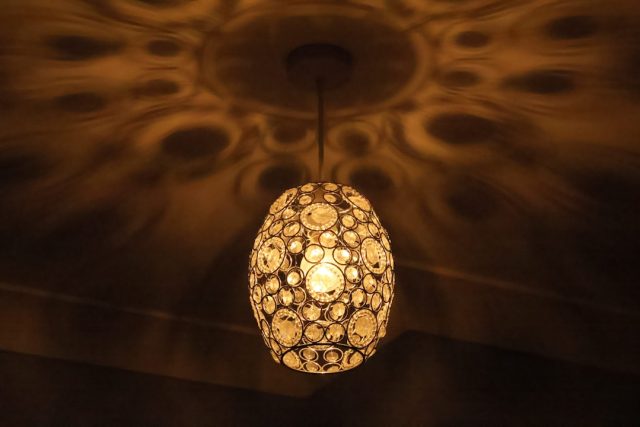
The concept of Parisian chic, often associated with a refined yet understated aesthetic, extends to interior design, particularly in lighting. Glass pendant lighting, characterized by its translucent material and suspended form, plays a significant role in achieving this particular style. This article explores how glass pendant lighting contributes to effortless elegance within a Parisian-influenced interior, examining its historical context, design principles, and practical applications.
Parisian chic, as a design philosophy, developed from a confluence of historical movements, including Rococo and Neoclassicism. These periods emphasized refined craftsmanship, a balance of ornate and austere elements, and the strategic use of light to enhance architectural features.
Early Lighting Practices
Prior to the widespread adoption of electricity, Parisian interiors relied on natural light, often amplified by large windows and mirrors. Artificial lighting, primarily from candles and oil lamps, was functional but also served decorative purposes, illuminating intricate plasterwork and gilded furniture. The development of gas lighting in the 19th century brought brighter and more accessible illumination, paving the way for more diverse lighting Scules fixtures.
The Evolution of Modern Lighting
The early 20th century saw the introduction of electricity and the incandescent light bulb, which revolutionized interior lighting. Designers began to experiment with new materials and forms. Art Deco, a prominent style in Paris during this era, often featured geometric glass fixtures, foreshadowing the modern glass pendant. These early designs represented a departure from heavy, ornate chandeliers towards lighter, more streamlined forms.
Parisian Chic and its Lighting Legacy
The contemporary interpretation of Parisian chic draws heavily on this historical evolution. It blends classical elegance with modernist simplicity. Lighting, in this context, is not merely functional but a design element that contributes to the overall atmosphere. Glass pendant lighting, with its ability to diffuse light and its minimal visual footprint, aligns well with this sensibility, offering both illumination and a subtle decorative touch.
Design Principles of Parisian Chic in Lighting
Achieving Parisian chic with glass pendant lighting involves adhering to certain design principles. These principles guide the selection, placement, and integration of fixtures within a space, ensuring they contribute to, rather than detract from, the desired aesthetic.
Simplicity and Understatement
A hallmark of Parisian chic is its rejection of overt opulence in favor of understated elegance. Glass pendant lighting embodies this principle through its inherent simplicity. The material itself, often clear or subtly colored glass, allows the light source to be the focal point, without overwhelming the surrounding décor. This approach avoids visual clutter, fostering a sense of calm and sophistication.
Material Purity
The choice of glass – whether clear, frosted, seeded, or smoked – directly impacts the light’s diffusion and the fixture’s overall presence. Clear glass offers unhindered light transmission, creating crisp illumination, while frosted or seeded glass softens the light, producing a more diffused glow. The absence of heavy ornamentation on the glass itself is key to maintaining a minimalist profile.
Form and Function
The form of the pendant is equally important. Parisian chic often favors clean lines and classical shapes, executed with a contemporary twist. This could involve spherical, conical, or cylindrical forms, often devoid of extraneous detailing. The beauty lies in the proportional balance and the quality of the material. Functionality is paramount; the light should illuminate effectively without drawing undue attention to its own elaborate design.
Layered Lighting Approach
Parisian interiors rarely rely on a single light source. Instead, they employ a layered lighting scheme that incorporates diverse fixtures to create depth and atmosphere. Glass pendant lighting serves as one component within this hierarchy.
Ambient Lighting
As a primary source of ambient light, glass pendants can illuminate a general area, providing a foundational layer of brightness. A single large pendant or a cluster of smaller ones can fulfill this role, casting an even glow across a room. The transparency of glass allows for a broad spread of light, reducing harsh shadows.
Task Lighting and Accent Lighting
While pendants can occasionally serve as task lighting, their strength often lies in providing ambient or accent illumination. For kitchens, a series of smaller pendants over an island can provide targeted light for food preparation. In dining areas, a solitary pendant above the table becomes a central design element, drawing the eye and defining the space. When used as accent lighting, smaller pendants can highlight architectural features or artwork, adding visual interest without dominating the space.
Strategic Placement and Proportion
The placement and proportion of glass pendant lighting are critical in achieving the effortless elegance associated with Parisian chic. Incorrect placement can disrupt the visual balance, while disproportionate fixtures can overwhelm or diminish the space.
Ceiling Height and Room Scale
Consider the height of the ceiling when selecting pendant length. In rooms with high ceilings, longer suspensions are often appropriate to bring the light source closer to eye level and create visual interest. For standard ceiling heights, shorter pendants or semi-flush mounts might be more suitable. The scale of the pendant should also be proportionate to the size of the room and the furniture it illuminates. A grand dining table might warrant a larger, bolder pendant, while a smaller entry hall might benefit from a more petite fixture.
Defining Zones and Focal Points
Glass pendants are excellent tools for defining specific zones within an open-plan layout or creating focal points within a room. A series of pendants above a kitchen island visually separates the cooking area from the living space. A single, distinct pendant over a coffee table can draw attention to a seating arrangement. The transparency of glass allows these divisions to be subtle rather than stark, maintaining an open feel. The light itself acts as an anchor, drawing the eye and organizing the visual landscape.
Types of Glass Pendant Lighting for Parisian Chic
The variety of glass pendant lighting available allows for diverse applications within a Parisian chic aesthetic. Each type offers distinct characteristics that can be leveraged to achieve specific design outcomes.
Clear Glass Pendants
Unobtrusive and versatile, clear glass pendants offer a minimalist aesthetic. Their transparency allows the light source itself to be visible, making filament bulbs a popular choice for adding a vintage touch.
Enhancing Natural Light
Clear glass pendants are particularly effective in rooms with ample natural light. They blend seamlessly with the environment, acting as subtle embellishments during the day and providing direct, unhindered illumination at night. They serve as a continuation of the open, airy feeling that large windows provide.
Showcasing Design Elements
When the goal is to highlight other design elements, such as intricate wallpaper, artwork, or architectural details, clear glass pendants are ideal as they do not compete visually. They provide illumination without adding another layer of visual complexity, allowing surrounding features to take center stage. They are like a conductor, guiding the audience’s attention without seeking it for themselves.
Frosted and Opaque Glass Pendants
Frosted, sandblasted, or semi-opaque glass pendants diffuse light, creating a softer, more ambient glow. This type of glass is often used to create a more intimate and serene atmosphere.
Creating Soft Illumination
These pendants are excellent for bedrooms, living rooms, and dining areas where a warm, inviting ambiance is desired. The diffused light reduces glare and harsh shadows, contributing to a sense of comfort and relaxation. They wrap the space in a gentle embrace, like a soft cashmere throw.
Reducing Visual Intrusion
The opaque nature of these pendants can conceal the bulb, providing a cleaner, more streamlined look. This makes them suitable for spaces where the visual appeal of the bulb itself is not a priority, or where a more uniform, diffused light emission is preferred.
Smoked and Tinted Glass Pendants
Smoked or tinted glass pendants introduce subtle color and a touch of drama to a space. They can range from a light grey tint to a deep amber or bronze, influencing the warmth or coolness of the emitted light.
Adding Depth and Character
These pendants can add a sophisticated edge to a Parisian chic interior. The tinted glass can create a moody, intriguing atmosphere, particularly when paired with darker color palettes or rich textures. They act as a subtle lens, coloring the light and, by extension, the entire room’s character.
Complementing Color Schemes
When carefully chosen, the tint of the glass can complement existing color schemes, tying together various elements of the room. A subtle grey tint might harmonize with a monochrome palette, while an amber tone could enhance warmer wood tones and brass accents. This consideration ensures the lighting fixture is not an isolated element but an integral part of the overall design narrative.
Practical Considerations for Installation and Maintenance
Beyond aesthetic appeal, practical considerations relating to installation and maintenance are essential when incorporating glass pendant lighting into a Parisian chic interior. These factors contribute to the longevity of the fixtures and the safety of the occupants.
Installation Requirements
The installation of glass pendant lighting generally requires adherence to electrical safety standards. It is often advisable to engage a qualified electrician, especially for multiple pendants or complex wiring configurations.
Ceiling Support
The weight of the pendant and its glass components must be supported by the ceiling structure. For heavier fixtures, additional bracing may be necessary. Ensure that the junction box is securely mounted and rated to handle the weight of the chosen pendant.
Wiring and Dimming
Proper wiring is crucial for functionality and safety. Consider incorporating dimmer switches to control the intensity of the light, allowing for adaptable ambiance – a key element in Parisian chic. Dimmers offer the ability to shift from bright task lighting to soft, intimate illumination, mimicking the versatility of natural light through different times of day.
Cleaning and Maintenance
Glass, while beautiful, requires regular cleaning to maintain its clarity and sparkle. Dust and fingerprints can diminish the aesthetic appeal of the fixture.
Gentle Cleaning Techniques
Use a soft, lint-free cloth and a mild glass cleaner to wipe down glass shades. Avoid abrasive materials or harsh chemicals that could scratch or damage the glass. For intricate designs or hard-to-reach areas, a soft brush might be useful. Always ensure the light fixture is turned off and cooled before cleaning.
Bulb Replacement
The lifespan of light bulbs varies. When replacing bulbs, ensure the new bulb has the correct wattage and type specified by the manufacturer. Experiment with different color temperatures (Kelvin) to achieve the desired effect; warmer temperatures (2700K-3000K) often align better with the inviting ambiance of Parisian chic, while cooler temperatures (4000K and above) are more suitable for task-oriented areas where a crisp, energetic light is preferred.
Integrating Glass Pendants into Parisian Chic Interiors
Successfully integrating glass pendant lighting into a Parisian chic interior involves understanding how these fixtures interact with other design elements. It is about creating a cohesive visual narrative where every element supports the overall aesthetic of subtle sophistication.
Pairing with Furniture and Textiles
The interplay between lighting, furniture, and textiles is crucial for a balanced Parisian chic aesthetic. The lightness of glass pendants often contrasts effectively with the richness of classic French furniture, such as Louis XVI style chairs or a velvet sofa.
Balancing Hard and Soft Elements
The inherent “hardness” and transparency of glass can be softened by luxurious textiles like linen, silk, or wool. Consider a delicate glass pendant above a sumptuously upholstered armchair, where the light plays over the fabric, highlighting its texture and depth. This juxtaposition of hard and soft elements creates visual interest and contributes to the layered richness typical of Parisian interiors.
Reflecting Materiality
The reflective qualities of glass can also be mirrored in other elements within the room, such as polished brass accents on furniture, mirrored surfaces, or objets d’art. This creates a subtle visual echo that ties the room together, ensuring the pendant is not an isolated feature but part of a larger, harmonious composition. The pendant becomes a jewel within a well-crafted setting.
Complementary Wall and Floor Finishes
The finishes of walls and floors provide the backdrop against which glass pendants are showcased. Parisian chic often favors classic plaster walls, subtle wallpaper, or parquet flooring, all of which influence how light is reflected and absorbed.
Light Reflectance
White or light-colored walls common in Parisian apartments maximize the reflectance of light from glass pendants, making a room feel airier and brighter. Darker wall colors, conversely, will absorb more light, creating a more intimate or dramatic atmosphere. The choice of wall color can dramatically alter the perceived intensity and spread of light from the pendant.
Textural Contrast
The smooth, often cool surface of glass pendants contrasts beautifully with the warmth and texture of natural wood floors or classic rugs. This creates an inviting balance, preventing the space from feeling sterile or overly formal. A woven rug provides a grounding element against the ethereal presence of a suspended glass fixture, an anchor in the light’s gentle sway.
Creating Cohesion with Accessories
Accessories are the finishing touches in a Parisian chic interior, and their selection should complement the lighting choices. Mirrors, decorative objects, and artwork all play a role in reflecting light and enhancing the overall ambiance.
Mirrors and Reflection
Large, ornate mirrors are a staple of Parisian design and serve to amplify light, both natural and artificial. Placing glass pendants in a room with a large mirror can double their visual impact and extend the reach of their light, making a space feel larger and more luminous. The mirror becomes a second stage, reflecting the delicate dance of light and shadow cast by the pendant.
Art and Ambience
Artwork can be subtly illuminated by the ambient glow of a glass pendant, or a smaller, focused pendant can highlight a specific piece. The delicate light from glass pendants often casts a warm, inviting glow that enhances the mood of a room, allowing art to be appreciated in a nuanced light that avoids harsh spotlights. The light, like a gentle hand, draws attention to the carefully curated elements of the room.
In conclusion, glass pendant lighting offers a versatile and elegant solution for cultivating a Parisian chic aesthetic. Its emphasis on simplicity, diffused light, and strategic placement allows it to integrate seamlessly into interiors that prioritize understated sophistication. By carefully considering historical context, design principles, practical aspects, and integration with other elements, one can effectively harness the power of glass pendants to create spaces that embody effortless Parisian elegance.
Hottest Posts
Table lamp
Rechargeable Flower Shaped Desk Lamp Perfect for Small Living Rooms
Lighting
Space-Saving Curved Arm Wall Sconce Perfect for Reading Nooks
Pendant light
Height Adjustable Asymmetrical Pendant Light for Outdoor Dining Area
Lighting
Japandi-Inspired Living Room: Paper and Oak Lighting
Lighting
Subtle Pantry Lighting: Leave On Low for Convenience
Lighting
Soft and Gentle Kitchen Sink Lighting