
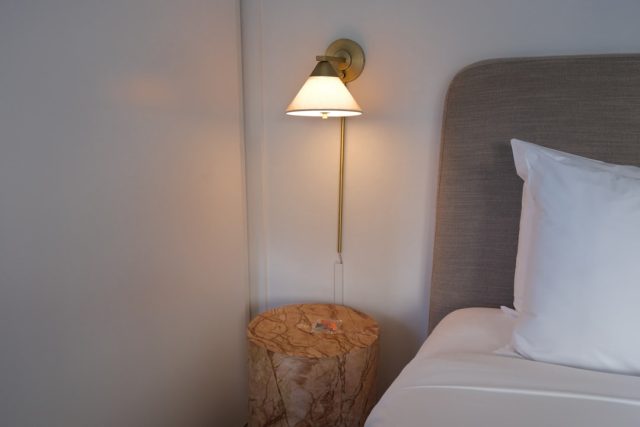
So, you’re looking to make your bedroom feel a bit more cozy and inviting, right? You’ve probably seen those fancy hotel rooms with the subtle lighting and wondered how they pull it off. Well, one sneaky, stylish trick is using fabric wall sconces that cast a soft glow. They’re not just for show; they can genuinely transform the feel of your space without breaking the bank or requiring a full electrical overhaul. Think of them as wearable art for your walls, but instead of fashion, they’re all about mood.
Let’s get down to brass tacks. Why specifically fabric sconces for a bedroom? It’s not just about aesthetics, though they certainly deliver there. The material itself plays a huge role in the kind of light Misls they produce.
The Magic of Diffused Light
Unlike harsh, direct lighting that can feel sterile or glaring, fabric sconces are masters of diffusion. The material acts as a natural filter, softening the light source and spreading it evenly across the room. This creates a gentle, ambient illumination that’s perfect for winding down.
A Gentler Kind of Brightness
Imagine bright sunlight versus the warm glow of sunset. Fabric sconces aim for that sunset vibe. They reduce glare and eye strain, making them ideal for activities like reading in bed or simply relaxing before sleep. This is a big deal for promoting better sleep hygiene.
Tactile Appeal and Visual Warmth
Beyond the light, the fabric itself adds a layer of texture and visual warmth. Think of the inviting feel of a soft blanket or a plush rug. This tactile element translates to the walls, making the room feel more grounded, cozy, and lived-in.
How They Fit into Different Bedroom Styles
You might be thinking, “But will this match my decor?” The beauty of fabric sconces lies in their versatility.
Modern Minimalist Bedrooms
In a contemporary space, a clean-lined fabric sconce with a neutral fabric (think linen or a simple cotton blend) can add a touch of subtle texture without overwhelming the minimalist aesthetic. It’s about adding warmth and depth without clutter.
Bohemian and Eclectic Vibes
For a more free-spirited room, vibrant or patterned fabric sconces can be fantastic. They can serve as a focal point, adding personality and a bohemian flair. Look for rich textures or interesting prints.
Classic and Traditional Settings
Even in a more traditional bedroom, a fabric sconce with a silk or velvet shade can introduce an element of understated luxury. They can complement existing furniture and add a refined touch.
Understanding the Types of Fabric Sconces
Not all fabric sconces are created equal. Knowing the different options will help you pick the best fit for your room and needs.
Plug-In vs. Hardwired
This is a crucial distinction, especially if you’re not keen on DIY electrical work or hiring an electrician.
Plug-In Fabric Sconces: The Easy Route
These are your go-to for a quick and simple upgrade. They come with a cord that plugs directly into a standard wall outlet. This means you don’t need any special wiring.
- Pros: Easy installation, portable, great for renters, no electrician needed.
- Cons: Visible cord (though many come with cord covers), placement is limited by outlet location.
Hardwired Fabric Sconces: The Sleek Finish
These are wired directly into your home’s electrical system. This usually requires professional installation, but the result is a cleaner, more seamless look.
- Pros: No visible cords, professional and polished appearance, can be controlled by a wall switch.
- Cons: Requires professional installation, less flexible in terms of placement.
Shade Styles and Shapes
The shape and style of the fabric shade significantly impact the light distribution and overall aesthetic.
Drum Shades
These are cylindrical and offer a very even, diffused light all around. They are a popular choice for their clean lines and versatility.
- Pros: Even light distribution, modern and classic appeal.
- Cons: Can be quite bright if the fabric is thin.
Empire Shades
These have a classic tapered shape, wider at the bottom than the top. They tend to direct light downwards and outwards.
- Pros: Elegant and traditional, good for task lighting like reading.
- Cons: Less diffusion in certain directions.
Square or Rectangular Shades
Offering a more contemporary feel, these shapes can add visual interest and complement geometric decor.
- Pros: Modern accents, can fit well into corners.
- Cons: Light distribution might be more directional.
Bell or Lantern Shapes
These often have a more decorative flair, sometimes with pleating or more intricate fabric details.
- Pros: Adds a decorative touch, can feel more vintage or ornate.
- Cons: Might be less harmonious with very minimalist decor.
Fabric Materials and Textures
The actual fabric used in the sconce plays a surprisingly significant role in the quality of light and the room’s atmosphere.
Linen
Linen offers a natural, breathable texture that diffuses light beautifully, creating a soft and organic feel. It’s a fantastic choice for a natural, airy bedroom.
Cotton
Cotton shades are common and come in a wide variety of weaves and textures. They can range from crisp and smooth to slightly more textured.
Silk or Silk Blends
For a touch of luxury, silk shades offer a subtle sheen and a very refined diffusion. They can make the light feel more opulent.
Polyester Blends
These are often used for durability and ease of care. They can mimic the look of linen or cotton and are a practical option.
Textured Fabrics (e.g., Nubby weaves, faux silk, textured cotton)
These add another layer of visual interest. The texture of the fabric itself can catch and play with the light, adding depth to the glow.
Placement: Where to Hang Your Fabric Sconces
The location of your fabric sconces is as important as the sconces themselves for creating the desired ambiance. Think about how you use your bedroom and what areas you want to highlight.
Beside the Bed: The Classic Reading Nook
This is probably the most common and practical placement. Sconces flanking your bed can replace bulky table lamps and free up nightstand space.
- Height: Generally, the bottom of the sconce shade should be around eye level when you’re sitting up in bed. This ensures you get good light for reading without being too high or too low.
- Clearance: Make sure there’s enough space on either side of the bed for the sconce to swing out if it has an articulated arm, and that it doesn’t feel cramped.
In Cozy Corners: Creating Intimate Zones
Don’t limit yourself to just the bedside. A strategically placed fabric sconce can turn an empty corner into a reading nook or a quiet spot for reflection.
- Highlighting Textures: Place a sconce near a textured wall, a decorative tapestry, or a comfortable armchair to draw attention to these features.
- Soft Illumination: Use it to add a warm, inviting glow to an area that might otherwise feel dark or underutilized.
Accentuating Artwork or Architectural Features
Got a favorite piece of art on a wall or an interesting architectural detail? A fabric sconce can be used to subtly highlight these elements.
- Upward or Downward Light: Consider sconces that can direct light upwards to wash a wall or downwards to graze over a surface.
- Subtle Spotlight: The diffused light from a fabric sconce won’t be as harsh as a direct spotlight, making it perfect for accentuating without overpowering.
In Dressing Areas or Walk-in Closets
If your bedroom has a dedicated dressing area, fabric sconces can provide a softer, more flattering light than overhead fluorescents.
- Gentle Illumination for Dressing: The softer light is kinder on the eyes and can make choosing outfits a more pleasant experience.
- A Touch of Elegance: This can elevate a functional space into something a bit more luxurious.
Installation Tips and Considerations
Let’s talk about getting these beauties on your wall safely and effectively.
DIY Installation for Plug-In Models
As mentioned, plug-in sconces are the DIY dream.
- Locate an Outlet: First, figure out where your nearest outlet is and plan your sconce placement accordingly.
- Mark the Spot: Use a level to mark where you’ll attach the mounting bracket.
- Secure the Bracket: Most come with screws and wall anchors. If you’re mounting into drywall, use the anchors. If you hit a stud, the screws will be more secure.
- Attach the Sconce: Follow the manufacturer’s instructions to connect the sconce to the bracket.
- Cable Management: This is where creativity comes in.
- Cord Covers: Many plug-in sconces come with matching cord covers that can be adhered or screwed to the wall.
- Hidden Cords: You can strategically run the cord behind furniture, along baseboards, or even paint the cord to match the wall color. Some people run it up to the ceiling and then down the other side of the room or behind cabinetry.
- Battery-Operated Options: For true cord-free solutions, some fabric sconce styles are available as battery-powered LED units, though the light intensity might be less.
When to Call a Professional for Hardwired Sconces
If you’re opting for hardwired sconces, don’t skip the electrician.
- Safety First: Working with electricity can be dangerous if you’re not trained. An electrician ensures everything is wired correctly and safely.
- Building Codes: Professionals are aware of local building codes and regulations.
- Proper Switching: They can integrate your new sconces with existing wall switches for convenient control.
- Aesthetic Integration: They can ensure the wiring and mounting are as seamless as possible.
Choosing the Right Bulb
The bulb you put inside your fabric sconce is critical for achieving that soft glow.
- LED is Your Friend: LED bulbs are energy-efficient, long-lasting, and come in a wide range of color temperatures.
- Color Temperature (Kelvin): Aim for a warm white color temperature, typically between 2700K and 3000K. This mimics the warm, inviting light of incandescent bulbs without the heat and energy waste. Avoid cooler daylight bulbs (4000K+) as they can feel too stark.
- Wattage (Lumens): Fabric sconces are for ambiance, not task lighting bright enough to read fine print from across the room. Look for bulbs with lower lumen output (around 400-800 lumens per sconce) unless you want it to be quite bright. Test a few options to see what feels right.
- Dimmable Bulbs: If your sconce is hardwired and connected to a dimmer switch (or you plan to install one), using dimmable LED bulbs offers the ultimate control over ambiance.
Enhancing Ambiance Beyond the Sconce
While the fabric wall sconce is the star, it’s part of a larger symphony of elements that create a truly inviting bedroom.
Layering Light Sources
Don’t rely on just one type of light. A well-designed bedroom uses multiple light sources for different moods and needs.
- Overhead Light: Use this sparingly for general illumination when needed, and consider a dimmer.
- Task Lighting: If you read a lot, a focused reading lamp might still be beneficial alongside your sconces.
- Ambient Lighting: This is where your fabric sconces shine. They provide the gentle, pervasive glow.
- Accent Lighting: Small, decorative lamps or string lights can add subtle pops of light and personality.
Controlling Light Intensity with Dimmers
This is perhaps the most impactful way to control ambiance.
- Hardwired Sconces: If you have hardwired sconces, installing a dimmer switch is a game-changer. You can adjust the brightness for reading, relaxing, or setting a romantic mood.
- Plug-in Sconces: You can get plug-in dimmer modules that go between the sconce plug and the wall outlet. Ensure the module is compatible with LED bulbs if you’re using them.
The Role of Color and Texture in the Room
The sconces’ light will play off the colors and textures of your bedroom walls and furnishings.
- Warm Colors: Rooms with warmer wall colors (creams, soft golds, muted browns) will naturally enhance the warmth of the diffused light.
- Cooler Tones: Cooler colors (blues, grays) can be beautifully complemented by the soft glow, creating a serene and sophisticated feel.
- Textured Walls: Wallpaper with subtle texture, or even a matte paint finish, will interact with the light in interesting ways, adding depth to the overall ambiance.
When Fabric Sconces Might Not Be the Best Fit
While generally fantastic, there are situations where fabric sconces might not be your first choice.
Need for Very Bright, Focused Light
If your primary need is bright, concentrated light for detailed tasks like intricate crafting or applying makeup, a fabric sconce might not provide enough direct illumination without being too large. In such cases, you might need dedicated task lighting in addition to or instead of sconces.
High-Moisture Environments
Fabric is generally not ideal for areas with high humidity, like bathrooms. The material can absorb moisture, potentially leading to mildew or damage. For bedrooms, this isn’t usually a concern unless you live in an exceptionally damp climate.
Very Young Children or Pets
While most fabric sconces are mounted high enough to be out of reach, very active toddlers or curious pets who might bump into or pull on them could present a safety concern. Opting for more durable, flush-mounted fixtures might be a safer bet in such households.
Extreme Simplicity and Utilitarian Needs
If your bedroom is purely for sleeping and the absolute highest priority is function over form, and you prefer a completely bare aesthetic, then adding wall sconces might feel like an unnecessary addition. However, for most people looking to enhance comfort and mood, they are a worthwhile consideration.
By now, you should have a pretty good idea of how fabric wall sconces can truly elevate your bedroom ambiance. They’re a practical, stylish, and accessible way to create that cozy, relaxing haven you’re dreaming of, one soft glow at a time.
Hottest Posts
Lighting
Space-Saving Curved Arm Wall Sconce Perfect for Reading Nooks
Pendant light
Height Adjustable Asymmetrical Pendant Light for Outdoor Dining Area
Lighting
Japandi-Inspired Living Room: Paper and Oak Lighting
Lighting
Subtle Pantry Lighting: Leave On Low for Convenience
Lighting
Soft and Gentle Kitchen Sink Lighting
Decoration
Modern Night Light Cage Shade Ceiling Lamp: A Stylish Addition to Any Room