
The bedroom is a sanctuary, a personal retreat from the demands of the day. Its atmosphere significantly influences rest and well-being. This article explores the principles and practical applications of creating a relaxing bedroom environment through the strategic use of soft, diffused light.
Light is a powerful environmental cue that profoundly affects human physiology and psychology. Our circadian rhythm, the body’s natural sleep-wake cycle, is largely regulated by light exposure.
The Circadian Rhythm and Melatonin Production
Exposure to bright, blue-rich light, particularly in the evening, suppresses the production of melatonin, a hormone crucial for initiating and maintaining sleep. Conversely, dim, warm light signals to the body that it is time to wind down.
Psychological Effects of Different Light Qualities
Beyond physiological responses, the quality of light influences mood and cognitive function. Harsh, direct light can be perceived as stimulating or even aggressive, contributing to feelings of unease. Soft, diffused light, on the other hand, often evokes feelings of calm, intimacy, and relaxation. It acts as a gentle embrace, rather than a demanding spotlight.
The Role of Color Temperature
Light’s color temperature, measured in Kelvin (K), is a critical factor. Cooler temperatures (above 4000K) tend to mimic daylight, enhancing alertness and concentration. Warmer temperatures (below 3000K) resemble the soft glow of a sunset or candlelight, promoting relaxation and preparing the body for sleep. For a relaxing bedroom, prioritizing warmer color temperatures is essential.
Principles of Soft Diffused Lighting
Achieving a relaxing bedroom environment hinges on understanding and applying the principles of soft, diffused lighting. This involves minimizing harsh shadows, reducing glare, and creating an even, gentle illumination.
Diffusing the Light Source
Direct light sources often produce sharp, high-contrast shadows and can be visually jarring. Diffusion involves scattering light rays, softening their intensity and spreading them more evenly.
Lampshades and Fixture Design
Traditional lampshades, particularly those made from fabric, rice paper, or frosted glass, are excellent diffusers. The material and color of the lampshade will directly impact the warmth and intensity of the diffused light. Opaque shades direct light up and down, while translucent shades allow a softer glow to permeate all sides.
Architectural Elements
Recessed lighting, when properly designed, can cast a soft, ambient glow without a direct point source. Cove lighting, where light sources are hidden within architectural features, bounces light off ceilings or walls, creating an indirect and highly diffused illumination.
Eliminating Glare
Glare occurs when a light source is significantly brighter than its surroundings, causing visual discomfort and eye strain. It disrupts the peaceful atmosphere you aim to create.
Shielding Direct Views of Bulbs
Ensure that light bulbs are not directly visible from common vantage points in the bedroom, such as when lying in bed or sitting at a dressing table. Fixtures with frosted shades or those that direct light upwards or downwards are beneficial.
Using Dimmers
Dimmers are indispensable for achieving soft, diffused light. They allow you to adjust the intensity of the light, transitioning from a brighter, functional illumination during the day to a soft, ambient glow in the evening. This flexibility is crucial for adapting the light to different activities and moods.
Selecting Appropriate Light Fixtures
The choice of light fixtures plays a pivotal role in establishing the desired atmosphere. Focus on fixtures designed to emit soft, diffused light, avoiding those that produce harsh, directional beams.
Bedside Lamps
Bedside lamps are fundamental for reading and providing localized light.
Lamps with Fabric or Frosted Shades
Opt for lamps with shades that diffuse light effectively. Fabric shades in natural tones, or frosted glass, provide a comforting glow. Avoid clear glass shades that expose the bulb directly.
Adjustable Brightness and Direction
Consider lamps with dimming capabilities and adjustable heads or arms. This allows you to direct light precisely where needed for reading without disturbing a partner, and to lower the intensity for a more relaxed setting.
Ambient Lighting
Ambient lighting provides overall illumination for the room, acting as the foundation upon which other lighting layers are built.
Ceiling-Mounted Fixtures with Diffusers
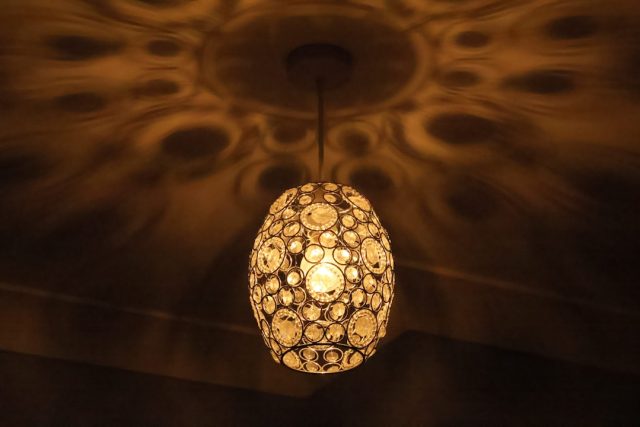
Flush-mount or semi-flush-mount fixtures with frosted glass or fabric diffusers can provide a soft, even light across the room. Avoid fixtures with exposed bulbs or highly decorative, reflective surfaces that can create harsh spots.
Wall Sconces
Wall sconces, particularly those that cast light upwards or downwards, can create a pleasant, indirect wash of light on walls. This helps to eliminate harsh shadows and visually expand the room.
Task Lighting (Minimal and Strategic)
While the emphasis is on relaxation, there might be specific areas requiring slightly more focused light for brief tasks.
Subtle Dresser Lamps
If a dresser or vanity area requires illumination, choose a small, shaded lamp rather than a harsh overhead light. The aim is to provide just enough light for the task without disrupting the overall soft ambiance.
Within Wardrobes
Consider motion-sensing LED strips inside wardrobes. These provide light only when needed and do not contribute to the general room illumination, maintaining the relaxed atmosphere.
Incorporating Layers of Light
A truly relaxing bedroom employs multiple layers of light, each serving a specific purpose and contributing to the overall mood. Think of it as painting with light, building up depth and nuance.
General Ambient Light
This is the foundational layer, providing a soft background glow.
Dimmable Overhead Fixtures
As discussed, a ceiling fixture with a diffuser on a dimmer allows for adjustable overall illumination. This layer should be the broadest sweep of your lighting brush.
Cove Lighting or Indirect Up-lighting
For a truly sophisticated and diffused ambient light, consider integrating cove lighting or using floor lamps that bounce light off the ceiling. This creates a soft, luminous canopy.
Accent Lighting
Accent lighting draws attention to specific features, adding visual interest and depth.
Wall Washers
Wall washers are fixtures that illuminate a wall from top to bottom, creating a smooth, even glow. This can highlight architectural details or artwork without creating harsh contrasts.
Picture Lights
If you have artwork, a small picture light with a warm, dimmable bulb can draw attention to it without overwhelming the room.
Task Lighting (Soft and Localized)
This layer provides focused illumination for specific activities, always with an emphasis on softness.
Bedside Reading Lamps
These are the most common form of task lighting in a bedroom. Ensure they have warm bulbs and adequate diffusion.
Desk or Vanity Lamps
If a small desk or vanity exists, a well-chosen lamp with a dimmer can serve as task lighting, but always prioritize its ability to blend into the overall soft environment when not in use.
Strategic Use of Natural Light and Window Treatments
While the focus is on artificial light, managing natural light is equally important in establishing a relaxing bedroom environment, particularly as the day transitions into evening.
Maximizing Natural Light During the Day
During daylight hours, allow ample natural light into the bedroom. Natural light is invigorating and helps regulate the circadian rhythm.
Sheer Curtains or Blinds
Use sheer curtains or blinds to soften direct sunlight, diffusing it while still allowing light to permeate. This prevents harsh glares and maintains a bright, airy feeling.
Light-Colored Walls and Surfaces
Light-colored walls and ceilings reflect natural light, making the room feel larger and brighter. This provides a clean canvas for your artificial lighting to play upon.
Blocking Light for Sleep
As evening approaches, and especially during actual sleep, it is crucial to block external light sources.
Blackout Curtains or Blinds
Invest in high-quality blackout curtains or blinds. These are essential for preventing streetlights, car headlights, and early morning sun from disrupting sleep. Think of them as a protective veil, drawing themselves around you.
Layering Window Treatments
Consider layering. Sheer curtains provide diffused natural light during the day, while opaque blackout curtains can be drawn at night. This offers maximum flexibility and control.
Practical Considerations and Maintenance
Beyond the design principles, several practical aspects ensure the longevity and effectiveness of your relaxing lighting scheme.
Bulb Selection and Wattage
The choice of light bulb is paramount.
LED Bulbs with Warm Color Temperatures
LED bulbs are energy-efficient and offer a wide range of color temperatures. Choose bulbs rated at 2700K to 3000K for a warm, inviting glow. Avoid anything above 3500K for bedtime use.
Low Wattage for Ambient Light
For ambient light sources, opt for lower wattage bulbs (or equivalent lumens in LED) that provide a gentle glow rather than intense illumination. Dimmable options further enhance control.
Smart Lighting Systems
For ultimate control and convenience, consider integrating smart lighting.
Scheduled Dimming and Color Temperature Changes
Smart lighting systems allow you to program lights to gradually dim and shift to warmer color temperatures as bedtime approaches. This can simulate the natural progression of dusk, subtly cuing your body for sleep.
Voice and App Control
Being able to adjust lighting from your bed via a voice command or smartphone app eliminates the need to get up, maintaining a relaxed posture and state.
Regular Cleaning of Fixtures
Dust and dirt accumulate on lampshades and bulbs, diminishing their light output and diffusion quality.
Wiping Down Shades and Bulbs
Regularly wipe down shades and bulbs to maintain optimal light quality. Clean diffusers and reflective surfaces to ensure they perform as intended.
Positioning and Arrangement
The placement of light fixtures is as important as the fixtures themselves.
Avoiding Direct Overhead Lighting Near the Bed
Avoid placing strong overhead lights directly above the bed. This can feel oppressive and create harsh shadows that are detrimental to a relaxing environment.
Creating Zones of Light
Think of your bedroom in terms of zones. A reading zone beside the bed, a general ambient zone for movement, and perhaps a very subtle accent zone. Each zone can have its own lighting tailored to its function.
By carefully considering and implementing these principles of soft, diffused lighting, you can transform your bedroom into a tranquil haven that promotes rest, relaxation, and overall well-being. It becomes a cocoon, protecting you from the visual harshness of the outside world and preparing you for restorative sleep.
Hottest Posts
Table lamp
Rechargeable Flower Shaped Desk Lamp Perfect for Small Living Rooms
Lighting
Space-Saving Curved Arm Wall Sconce Perfect for Reading Nooks
Pendant light
Height Adjustable Asymmetrical Pendant Light for Outdoor Dining Area
Lighting
Japandi-Inspired Living Room: Paper and Oak Lighting
Lighting
Subtle Pantry Lighting: Leave On Low for Convenience
Lighting
Soft and Gentle Kitchen Sink Lighting