
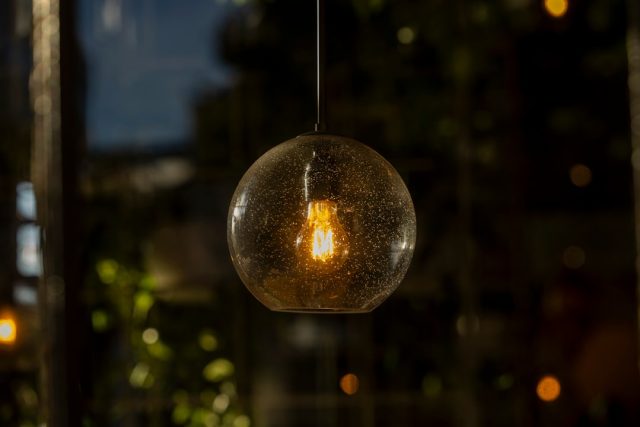
Glass pendant lighting, a fixture in Parisian interior design, offers a distinctive aesthetic characterized by its often understated yet refined presence. This style, known as Parisian Chic, emphasizes clarity, functionality, and a subtle interplay of light and form. The application of glass pendant lighting within this design paradigm extends beyond mere illumination, functioning as an integrative element that contributes to the overall ambiance of a space.
The trajectory of glass pendant lighting in Paris aligns with broader movements in European design. Initially, lighting served purely utilitarian purposes, often featuring opaque or heavily adorned materials. The advent of electricity and advances in glassmaking techniques, however, catalyzed a shift towards more transparent and minimalist forms.
Early Innovations in Glassware
The late 19th and early 20th centuries witnessed significant advancements in glass production. New methods allowed for the creation of thinner, more uniform glass, which facilitated intricate designs and improved light transmission. This period saw the emergence of art nouveau and art deco styles, both of which incorporated glass extensively, though often with elaborate ornamentation.
Post-War Minimalism
Following World War II, a movement towards functionalism and a reduction of superfluous embellishment gained traction. This era emphasized clean lines, natural materials, and a focus on the inherent beauty of an object’s form. Glass pendant lighting began to reflect this ethos, moving away from decorative excess towards simpler, more elegant silhouettes. The emphasis was on the material itself, allowing the light to refract and diffuse unhindered.
Contemporary Interpretations
Today, Parisian Chic glass pendant lighting often draws inspiration from these earlier periods while incorporating modern manufacturing techniques and materials. Designers frequently revisit classic forms, reinterpreting them with updated finishes or proportions. The current trend favors a balance between tradition and innovation, ensuring that the lighting remains both timeless and relevant.
Defining Characteristics of Parisian Chic Glass Pendant Lighting
The essence of Parisian Chic, as applied to glass pendant lighting, lies in its ability to simultaneously command attention and blend seamlessly into its surroundings. It is a style that shuns ostentation in favor of a quiet sophistication.
Materiality and Transparency
The primary material, glass, is central to this aesthetic. The selection criteria for glass typically involve transparency, clarity, and often a subtle textural quality.
Clear Versus Frosted Glass
Clear glass is frequently employed, allowing for maximum light transmission and a crisp, unfragmented glow. This choice contributes to a sense of openness and airiness within a room. Frosted or etched glass, conversely, diffuses light more softly, creating a warmer, more intimate ambiance. The decision between clear and frosted glass often depends on the desired mood and the specific function of the lighting.
Artisanal Touches
While mass production offers uniformity, artisan-blown glass is often preferred for its subtle imperfections and unique character. These variations, rather than detracting from the piece, add to its individuality and craft-based appeal, a core tenet of Parisian design – celebrating the handmade.
Form and Silhouette
The shapes of Parisian Chic glass pendant lights are typically restrained and often geometric. Extraneous detailing is minimized, allowing the inherent beauty of the glass and the light it emits to be the focal point.
Simple Geometric Forms
Circles, spheres, cylinders, and cones are prevalent shapes. These elemental forms are chosen for their visual purity and their ability to integrate harmoniously into diverse interior styles. The simplicity of the form ensures that the light fixture does not overwhelm the space but rather complements it.
Delicate Proportions
The scale of these pendants is often carefully considered. They tend to be designed with delicate proportions, avoiding bulkiness. This ensures that even in smaller spaces, the lighting contributes to a sense of spaciousness rather than an impression of overcrowding. A single, well-placed pendant can act as a quiet anchor in a room, drawing the eye without demanding it.
Finishes and Hardware
The metal components and suspension systems of these pendants are typically understated, designed to support rather than compete with the glass element.
Subtle Metallic Accents
Brass, polished nickel, and matte black are common choices for hardware. These finishes are selected for their ability to complement the glass without overpowering it. The aim is to provide a subtle gleam or a grounding contrast that enhances the overall aesthetic. The metallic components are rarely ornate; their beauty lies in their precision and quality.
Minimalist Suspension Systems
The suspension mechanisms – chains, cords, or rods – are usually thin and unobtrusive. The goal is to create the illusion that the glass element is almost floating, held by an invisible thread of light. This minimalist approach reinforces the ethereal quality often associated with Parisian Chic.
Functional Considerations and Placement
Beyond aesthetics, the practical application of glass pendant lighting in Parisian Chic interiors is paramount. Thoughtful placement and consideration of light quality are essential to achieving the desired effect.
Illumination Quality
The type of light emitted by the pendant is a significant factor. Parisian design often seeks a warm, inviting glow that enhances the natural light rather than competing with it.
Ambient Lighting
Many glass pendants are designed to provide ambient light, diffusing a general softness throughout a room. This contributes to a comfortable and relaxed atmosphere, ideal for living spaces and bedrooms. The glass acts as a filter, softening harsh illumination into a gentle radiance.
Task Lighting and Accent Lighting
In some instances, smaller, more focused glass pendants can serve as task lighting, illuminating specific areas like kitchen islands or reading nooks. When grouped or strategically placed, they can also function as accent lighting, drawing attention to particular features or objects within a room.
Strategic Placement
The placement of glass pendant lighting is a critical design decision that impacts both functionality and visual appeal.
Above Dining Tables
A classic application involves suspending a single large pendant or a cluster of smaller pendants above a dining table. This creates a focal point, defines the dining area, and provides direct illumination for meals and conversations. The light functions as a beacon, drawing people together.
Kitchen Islands and Countertops
In kitchens, glass pendants are frequently employed above islands or countertops. Here, they provide essential task lighting while also adding a decorative element to a often utilitarian space. The transparency of the glass ensures that sight lines are not obstructed, maintaining an open feel.
Entryways and Hallways
For entryways and hallways, a well-chosen glass pendant can make a welcoming statement, guiding visitors into the home with a gentle light. In these transitional spaces, the pendant acts as an initial impression, setting the tone for the rest of the interior.
Integrating Glass Pendants into a Parisian Chic Interior
The successful integration of glass pendant lighting into a Parisian Chic interior relies on a cohesive approach to design, where each element supports the others.
Complementary Materials and Textures
Parisian Chic interiors often feature a mix of classic and contemporary elements, with an emphasis on quality materials.
Natural Wood and Stone
Glass pendant lighting pairs effectively with natural materials such as oak, walnut, marble, and limestone. The interplay between the transparency of the glass and the robustness of these materials creates a sophisticated contrast. The light catches the subtle variations in grain and texture, enhancing their inherent beauty.
Soft Textiles
Linen, velvet, and wool are commonly found in Parisian interiors. The soft, tactile qualities of these fabrics provide a counterpoint to the crispness of glass. The light from the pendants can highlight the luxurious textures of these textiles, deepening the sensory experience of the room.
Color Palettes
The color schemes typically associated with Parisian Chic are often muted, allowing the architectural features and carefully selected furnishings to shine.
Neutral Tones
White, cream, beige, and various shades of grey form the bedrock of many Parisian interiors. Glass pendant lighting, particularly with clear glass, enhances the brightness and airiness of these neutral palettes, preventing them from appearing sterile.
Subtle Color Accents
While neutrals dominate, subtle pops of color – often in deep jewel tones like emerald green or sapphire blue, or soft pastels – can be introduced through artwork, upholstery, or decorative objects. The transparent nature of glass pendants allows these color accents to stand out without competition.
The Art of Juxtaposition
A hallmark of Parisian Chic is the careful juxtaposition of different styles and periods. Glass pendant lighting can bridge these elements effectively.
Modernity with Tradition
A sleek, contemporary glass pendant can be suspended in a room featuring ornate historical mouldings and antique furniture. This contrast creates visual interest and speaks to a layered history within the space, preventing the room from feeling like a museum or a showroom. The pendant acts as a dialogue between epochs.
Simplicity with Richness
The often simple form of glass pendants provides a visual respite in spaces that incorporate rich textures, intricate patterns, or strong architectural details. They offer a moment of visual clarity, like a still pond amidst a bustling garden.
Maintenance and Care
To preserve the aesthetic integrity and functionality of glass pendant lighting, regular maintenance is essential. While glass is durable, it requires specific care to retain its luminescence.
Regular Cleaning
Dust and grime can quickly diminish the light output and clarity of glass.
Gentle Dusting
For routine maintenance, a soft, dry microfiber cloth can be used to gently wipe down the glass surfaces. This prevents dust buildup and maintains the sparkle of the fixture.
Deeper Cleaning Methods
For more stubborn marks or a deeper clean, a solution of mild soap and water or a glass cleaner specifically designed for lighting fixtures is recommended. Always spray the cleaning solution onto the cloth first, rather than directly onto the fixture, to prevent liquid from entering electrical components. Ensure the fixture is unplugged or the power is turned off at the breaker before any wet cleaning is performed.
Inspecting Hardware and Wiring
Periodically inspect the metallic components and wiring for any signs of wear or damage.
Tightening Connections
Over time, screws or connections may loosen. Gently retightening these ensures the structural integrity of the pendant.
Professional Assessment
If any signs of frayed wiring, flickering lights, or other electrical issues are observed, it is crucial to consult a qualified electrician. Never attempt to repair electrical issues yourself unless you are trained and certified.
In conclusion, glass pendant lighting, when viewed through the lens of Parisian Chic, transcends its role as a mere light source. It becomes an essential architectural element, an ambassador of subtlety and refinement. Through its careful selection of material, form, and placement, it contributes to an ambiance of effortless elegance, a quality deeply ingrained in the Parisian aesthetic. It is a quiet testament to the belief that true luxury lies not in excess, but in precision, clarity, and enduring style.
Hottest Posts
Table lamp
Rechargeable Flower Shaped Desk Lamp Perfect for Small Living Rooms
Lighting
Space-Saving Curved Arm Wall Sconce Perfect for Reading Nooks
Pendant light
Height Adjustable Asymmetrical Pendant Light for Outdoor Dining Area
Lighting
Japandi-Inspired Living Room: Paper and Oak Lighting
Lighting
Subtle Pantry Lighting: Leave On Low for Convenience
Lighting
Soft and Gentle Kitchen Sink Lighting