
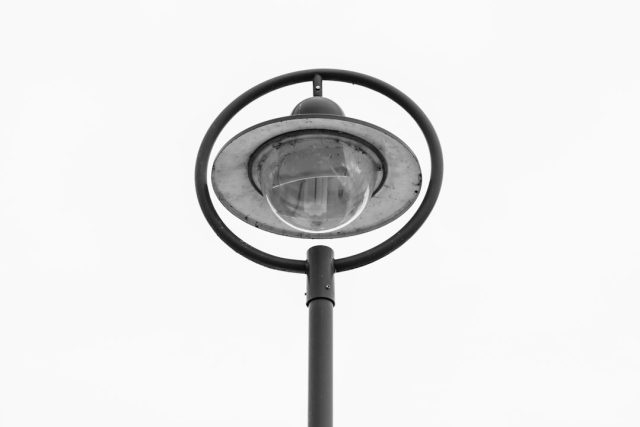
Why an Asymmetrical Pendant Light is a Smart Choice for Outdoor Dining
So, you’re looking to light up your outdoor dining area, and you’ve probably considered all sorts of options. But have you thought about a height-adjustable, asymmetrical pendant light? If not, you should. These lights are surprisingly versatile and can solve a lot of common outdoor lighting challenges. The main reason they’re such a smart choice is their ability to deliver focused, adaptable illumination right where you need it, without being obtrusive or creating harsh glare. They offer both practical functionality and a touch of modern design that can elevate any outdoor space. Think about it: instead of a single, uniform wash of light that might be too bright in some spots and too dim in others, an asymmetrical pendant allows you to direct light precisely. Combine that with height adjustability, and you have a truly flexible lighting solution that can adapt to different moods, activities, and even furniture arrangements.
Understanding the Appeal: More Than Just a Pretty Light
When we talk about an “asymmetrical pendant light,” it might sound a bit niche, but in the context of an outdoor dining area, it’s actually incredibly practical. It’s not just about aesthetics, though they certainly can add a modern, sculptural element. The real appeal lies in how they function.
What Makes it Asymmetrical?
Unlike traditional pendant lights that hang down with a perfectly balanced shade, an asymmetrical design means the light source, or the shade itself, is offset or shaped in an unconventional way. This isn’t just for show. This asymmetry is what allows for more directed and often softer light. Imagine a light that casts a beautiful, elongated pool of light over your table, rather than a perfectly round, evenly distributed glow that might spill too much light into surrounding areas or directly into someone’s eyes. It’s about creating zones of illumination. This might involve a shade that’s open on one side, or a light source that’s positioned at an angle within a larger housing. The goal is often to minimize glare and maximize the light where it’s most needed.
The Power of Height Adjustability
Adding height adjustability takes this concept to the next level. Imagine hosting a lively dinner party where you want bright, clear light over the food. You can lower the pendant. Later, when the meal is over and you’re just enjoying conversation and drinks, you might want a softer, more ambient glow. You can raise the pendant, diffusing the light more broadly and reducing its intensity at table level. This flexibility is invaluable. Most height-adjustable pendants work with a simple pulley system, a retractable cable, or a friction mechanism, making adjustments relatively easy. This feature isn’t just about mood, it’s also about practicality for different tasks – reading a menu, playing a board game, or simply having a clear view of your company’s faces.
Defining “Outdoor Dining Area”
When we say “outdoor dining area,” we’re not just talking about a patio table. This could be a covered porch, a pergola, a gazebo, an open-air deck, or even a sophisticated outdoor kitchen setup. Each of these spaces has unique lighting requirements. A covered area offers more protection from the elements, allowing for a wider range of fixtures. An open-air setting demands lights that are truly weather-resistant. The key commonality is the presence of a surface where food is served and enjoyed, and where people gather. This means the lighting needs to be functional for eating, but also comfortable for socializing. It needs to define the space without overwhelming it, and crucially, it needs to be safe.
Key Considerations for Outdoor Use
Outdoor lighting isn’t just about looking good; it’s about enduring the elements. This is where practical choices really matter. You can’t just hang any old indoor pendant outside and expect it to last.
Weatherproofing and Durability Ratings
This is non-negotiable. Any light fixture destined for the outdoors needs to be specifically rated for outdoor use. Look for an IP (Ingress Protection) rating. The first digit refers to protection against solids (dust, dirt), and the second digit refers to protection against liquids (water).
- IP44: This is a common minimum for sheltered outdoor areas like covered porches where direct rain exposure is limited. It protects against solid objects larger than 1mm and splashing water from any direction.
- IP54: Offers better protection against dust ingress and splashing water. Good for areas with some exposure.
- IP65: This is a strong rating, offering complete protection against dust and low-pressure water jets from any direction. Excellent for areas that might get direct rain or splashes.
- IP66: Even more robust, protecting against powerful water jets.
- IP67 or IP68: These are for submersion, typically for ground lights or pool lights, and are generally overkill for a pendant.
For a height-adjustable pendant, you need to consider the rating of the entire assembly, including the adjustment mechanism and wiring. Materials play a big role here too: marine-grade stainless steel, powder-coated aluminum, and UV-resistant plastics are far more durable than standard indoor materials. Avoid anything that will rust or degrade quickly in humidity or sunlight.
Power Source and Installation Complexity
Most outdoor pendants will be hardwired, meaning they connect directly to your home’s electrical system. This typically requires a qualified electrician, especially for new installations or if you’re extending circuits outdoors.
- Hardwired: This provides a clean, permanent solution. It’s safe and reliable when installed correctly. Ensure the junction box itself is also outdoor-rated.
- Plug-in Options: While less common for permanent outdoor pendants, some might exist, often for temporary setups or very sheltered areas. If you opt for plug-in, ensure the outlet is a GFCI (Ground Fault Circuit Interrupter) outdoor-rated outlet, and that the plug and cable are designed for outdoor use. Never use indoor extension cords outdoors.
- Solar Powered: While solar-powered pendants are available, they typically don’t offer the same brightness, adjustability, or aesthetic sophistication as hardwired options. They might be suitable for very ambient, low-light situations, but likely not for functional dining illumination.
- Battery Powered: Again, usually not robust enough for consistent dining light, though some decorative options exist.
Consider the existing infrastructure. Do you have an outdoor junction box in the right spot? If not, the installation complexity (and cost) will increase.
Lumens, Color Temperature, and Dimming Capabilities
These factors determine the quality and usability of the light.
- Lumens: This measures the total amount of visible light from a lamp or light source. For an outdoor dining area, you’ll want enough lumens to clearly see your food and company. A good starting point might be around 800-1200 lumens for a single pendant over a standard table, but this is highly dependent on the beam spread and height. More isn’t always better; too many lumens can create harshness.
- Color Temperature (Kelvin – K): This describes the color appearance of light.
- Warm White (2700K-3000K): Creates a cozy, inviting atmosphere, much like incandescent bulbs. Ideal for relaxed dining.
- Neutral White (3500K-4000K): Brighter and more modern, good for tasks or larger gatherings where more visual clarity is desired.
- Cool White (4500K-5000K+): Can feel stark and clinical outdoors; generally avoided for dining areas.
The choice here is largely aesthetic, but warmer temperatures generally enhance the feeling of comfort and relaxation.
- Dimming Capabilities: This is crucial for an outdoor dining area. Being able to adjust the brightness allows you to transition from bright task lighting for eating to a softer, more ambient glow for after-dinner conversation. Ensure the fixture is “dimmable” and that you have a compatible outdoor-rated dimmer switch installed. LED bulbs are highly efficient and often dimmable, but confirm compatibility with the fixture and dimmer.
Design and Aesthetic Integration
Beyond pure functionality, how a light fixture looks and feels in your outdoor space is super important. An asymmetrical pendant can be a real statement piece.
Matching Architectural Style and Existing Decor
Your outdoor dining area is an extension of your home. The pendant light should complement, not clash with, the overall architectural style and existing decor.
- Modern/Contemporary: An asymmetrical pendant naturally fits well here. Look for clean lines, geometric shapes, and materials like brushed aluminum, matte black finishes, or even concrete-look composites. The asymmetry itself can be a key design element.
- Transitional: This style blends traditional and modern. You might look for fixtures with a bit more texture, perhaps dark bronzes or natural wood accents (if suitably treated for outdoor use) combined with modern forms.
- Industrial: Exposed metal, cage designs, and sturdy materials in dark finishes work well. An asymmetrical design might incorporate visible hardware or pipe-like elements.
- Coastal/Nautical: While typically symmetrical, some asymmetrical designs might incorporate rope, weathered wood, or galvanized finishes to fit this style. Be mindful of materials and corrosion in coastal environments.
- Rustic/Farmhouse: These styles often lean towards natural materials. You might find asymmetrical designs in wrought iron or with distressed finishes, though truly asymmetrical shapes are less common in traditional rustic.
The key is to consider the material, finish, and overall form factor. Does it feel at home with your furniture, landscaping, and the exterior of your house?
Material Choices and Finishes
The right materials don’t just look good; they last.
- Metals:
- Stainless Steel (304 or 316 marine-grade): Excellent for durability and corrosion resistance, especially in coastal areas. Can be brushed or polished.
- Aluminum (Powder-Coated): Lightweight, rust-resistant, and comes in a vast array of colors (matte black, bronze, white, etc.). A very popular choice.
- Brass/Copper: Can develop a beautiful patina over time, but raw brass/copper can be expensive and may require more maintenance or specific lacquered finishes for longevity outdoors.
- Wrought Iron: Classic for traditional styles, but requires specific outdoor-rated coatings to prevent rust.
- Shade Materials:
- Acrylic/Polycarbonate: Durable, shatter-resistant, and UV-stabilized. Can diffuse light beautifully.
- Toughened Glass: Offers clear or frosted light. Ensure it’s thick and impact-resistant.
- Textile (Outdoor-Rated): Special fabrics designed for outdoor use can create soft, diffused light, but require higher IP ratings and careful cleaning.
- Metal Mesh/Perforated Metal: Can create interesting light patterns and industrial aesthetics.
- Finishes: Matte black, dark bronze, brushed nickel, and architectural white are popular choices. Think about how the finish will age outdoors. Some patinas are desired, others are signs of degradation.
Scale and Placement for Optimal Impact
Getting the scale right is crucial. A pendant that’s too small will look lost; one that’s too large will overwhelm the space.
- Table Size: As a general rule, the diameter or longest dimension of your pendant should be about one-half to two-thirds the width of your dining table. This provides good coverage without feeling cramped.
- Height Above Table: This is where the adjustability truly shines.
- For dining: Typically, the bottom of the pendant should be 30-36 inches (75-90 cm) above the tabletop. This allows for clear sightlines across the table while providing focused light.
- For ambient light/after dinner: You can raise it higher, perhaps 40-60 inches (100-150 cm) or more, to spread the light and create a softer mood.
- Head Clearance: Always ensure there’s enough clearance for people to stand up and move around the table without bumping their heads, even at its lowest setting.
- Centering: For a rectangular or oval table, consider centering the pendant. For very long tables, you might need two smaller pendants to ensure even illumination. The asymmetrical design helps here, as its directed light can cover a larger area than a typical symmetrical fixture.
Practical Benefits of Asymmetry and Adjustability
These aren’t just fancy features; they directly translate into a better outdoor dining experience.
Enhanced Ambiance and Mood Creation
This is perhaps the biggest draw. Traditional lighting often offers an “on” or “off” state, or perhaps a simple dimmer. An adjustable asymmetrical pendant provides so much more control over the atmosphere.
- Focused Dining: Lowering the pendant and directing the light onto the table creates an intimate, restaurant-like feel. Food looks more appealing, and conversations feel more focused.
- Relaxed Socializing: Raising the pendant spreads the light more broadly, softening its intensity and encouraging a more relaxed, lounge-like vibe. It transitions the space from a dining area to a casual gathering spot.
- Highlighting Features: The asymmetrical nature means you can subtly direct light to highlight a centerpiece, a specific dish, or even just frame the faces of those at the table, creating a flattering glow.
- Avoiding Glare: By being able to adjust the height and angle, you can precisely control where the light falls, minimizing direct glare into people’s eyes – a common complaint with static, overhead lights.
Versatility for Different Activities
Your outdoor dining table isn’t just for eating. It’s a multifunctional hub, and your lighting should be too.
- Dining: Bright, clear, focused light on the food and faces.
- Board Games/Card Games: Lowered and brightened, ensuring everyone can see the game pieces clearly.
- Reading: If someone wants to enjoy a book outdoors after dinner, the pendant can be adjusted to provide adequate reading light without disturbing others.
- Background Illumination: When not in use, or when you just want a soft background glow for the patio, the pendant can be raised and dimmed, becoming more of an architectural feature.
- Cleaning/Setup: Brightest setting for practical tasks.
Space Optimization and Visual Interest
An asymmetrical pendant light can do wonders for how a space feels and looks.
- Defining the Dining Zone: Even without walls, a well-placed pendant visually delineates the dining area from the rest of your outdoor space, creating a sense of a “room” outdoors.
- Reduced Clutter: Instead of multiple smaller lights or ground-level fixtures, a single, impactful pendant can often provide sufficient lighting, reducing visual clutter.
- Sculptural Element: The unique form of an asymmetrical pendant can act as a piece of art during the day, drawing the eye and adding a sophisticated touch to your outdoor decor. It breaks up linear sightlines and adds dynamic appeal.
- Illusion of Height: Depending on its design and how high it’s hung, a pendant can sometimes draw the eye upward, making a covered patio feel more spacious.
Maintenance and Longevity Tips
Even the most durable outdoor fixtures need a little love to stay looking good and working properly. This is especially true for something with moving parts like a height adjustment mechanism.
Regular Cleaning and Inspection
Make this a routine, perhaps once a season or twice a year.
- Wipe Down: Use a soft cloth and mild soap and water to clean the fixture’s exterior. This removes dirt, dust, pollen, and environmental buildup that can dull the finish or harbor corrosive elements. Avoid harsh abrasives or chemical cleaners, which can damage finishes.
- Check for Debris: Clear away any leaves, spiderwebs, or insect nests from the fixture, especially around ventilation holes or light sources.
- Inspect Wiring and Connections: Periodically check visible wiring for cracks, fraying, or exposed conductors. If you see any damage, immediately turn off the power at the breaker and call a qualified electrician.
- Look for Corrosion: Especially in coastal areas, inspect metal parts for signs of rust or corrosion. Address small spots early with appropriate rust-inhibiting primers or touch-up paint.
- Examine Adjustment Mechanism: For height-adjustable pendants, check the cables, pulleys, or friction mechanisms. Ensure they move smoothly and aren’t corroded or seized. Apply a dry silicone lubricant if necessary, but avoid oily lubricants that attract dirt.
Bulb Replacement and Care
LEDs have a long lifespan, but they aren’t immortal.
- Correct Bulb Type: Always replace bulbs with the type and wattage specified by the manufacturer. If it’s an integrated LED, you might need to replace the entire light engine or consult a professional.
- LED Benefits: LEDs are incredibly energy-efficient and generate very little heat, which is a bonus for outdoor use. They also typically last tens of thousands of hours, so frequent replacement isn’t usually an issue.
- Dimmer Compatibility: If you have a dimmable fixture, ensure any replacement LED bulbs are also rated as dimmable and are compatible with your dimmer switch to avoid flickering or premature failure.
- Gentle Handling: When replacing bulbs, ensure the power is off, and handle the bulbs (especially glass ones) carefully.
Protecting Against Extreme Weather
While outdoor-rated fixtures are designed to withstand weather, some extra precautions can extend their life.
- Heavy Storms: In areas prone to hurricanes or severe winds, consider removing lightweight or fragile pendants, if possible, or securing them tightly.
- Winterization: In regions with harsh winters, extremely low temperatures or heavy snow can stress materials. Some people choose to cover their fixtures with breathable, waterproof covers during the off-season. This can prevent ice buildup in mechanisms or prolonged exposure to freezing precipitation.
- Coastal Environments: Salt spray is highly corrosive. More frequent cleaning and inspection are essential here, and investing in marine-grade materials (like 316 stainless steel) initially will pay off.
By following these practical steps, your height-adjustable asymmetrical pendant light will continue to provide beautiful and functional illumination for your outdoor dining area for years to come. It’s an investment in both utility and atmosphere, and with a little care, it will truly enhance your outdoor living experience.
Hottest Posts
Pendant light
Height Adjustable Asymmetrical Pendant Light for Outdoor Dining Area
Lighting
Japandi-Inspired Living Room: Paper and Oak Lighting
Lighting
Subtle Pantry Lighting: Leave On Low for Convenience
Lighting
Soft and Gentle Kitchen Sink Lighting
Decoration
Modern Night Light Cage Shade Ceiling Lamp: A Stylish Addition to Any Room
Floor lamp
Enhance Your Italian Living Room with a Chrome Arc Floor Lamp