
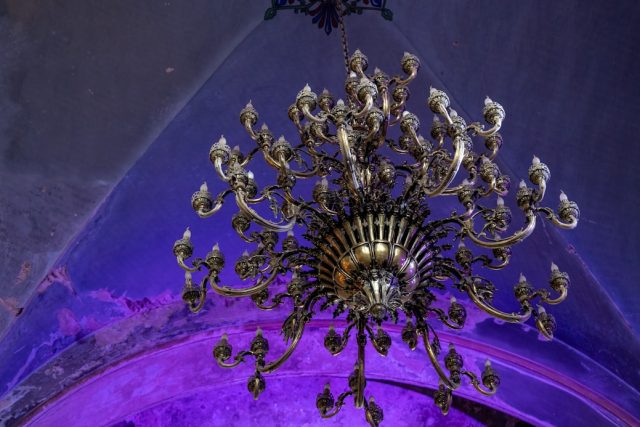
So, you’re thinking about a “modern night light cage shade ceiling lamp” and wondering what that’s all about? Essentially, it’s a ceiling light fixture that incorporates a caged design, often with a focus on softer, ambient lighting that can double as a night light. Think of it as a stylish way to illuminate a space without being harsh, and it can even be functional for those late-night trips to the kitchen or bathroom. It’s a neat concept that blends form and function, offering a bit more character than your average overhead light.
The “cage shade” in these lamps is more than just a design quirk; it’s a key element that defines the light’s character and application. It’s not about keeping things contained like a literal cage, but rather about creating a specific visual and lighting Pangams effect.
The Visual Appeal of the Cage
When you see a cage shade, the first thing that strikes you is the visual interest it adds. These aren’t just plain glass or fabric shades. The metalwork, whether it’s simple bars, geometric patterns, or more intricate designs, creates shadows and highlights on your walls and ceiling. This can make the light itself a decorative element, even when it’s turned off. It’s a way to bring a bit of industrial, vintage, or even minimalist flair into your home, depending on the specific style of the cage.
How the Cage Affects Light Diffusion
The cage acts as a diffuser, but in a different way than traditional frosted glass or opaque shades. Instead of softening light by scattering it evenly, the cage often allows light to escape through the gaps. This can result in a more directional or patterned light. Depending on the density and design of the cage, it can create dramatic shadows or a more subtle, dappled effect. This controlled diffusion is what allows these lamps to function effectively as both general lighting and ambient night lights.
Material Matters: What Cages Are Made Of
The materials used for the cage shade significantly influence the lamp’s aesthetic and durability.
Metal Choices: From Industrial to Elegant
Common metal choices include:
- Iron and Steel: These are popular for their strength and ability to be formed into various shapes. They often lend an industrial or rustic feel. Finishes can range from matte black and brushed nickel to antique brass or copper, offering a lot of versatility.
- Aluminum: Lighter than iron or steel, aluminum is also corrosion-resistant, making it a good choice for areas with higher humidity. It can be polished to a sleek, modern shine or given a matte finish.
- Brass and Copper: These metals add a touch of warmth and sophistication. They can be left to develop a natural patina over time for a vintage look or polished to a high shine for a more glamorous feel.
Other Cage Materials
While metal is the most common, you might occasionally see cages made from other materials, though these are less typical for “ceiling lamps.”
- Wood: In some more decorative or specialty fixtures, you might find wooden elements forming a cage-like structure, adding a natural, organic touch.
- Woven Materials: Less common for ceiling fixtures and more for accent lighting, but some designers might incorporate woven rattan or bamboo for a bohemian vibe.
The “Night Light” Functionality Explained
The “night light” aspect isn’t usually a separate, dedicated bulb. Instead, it’s about how the main light is used and its inherent properties.
Soft Illumination for Evening Hours
The core idea behind using a cage shade ceiling lamp as a night light is its ability to produce soft, ambient illumination. Unlike a bright, direct overhead light, the cage design tends to scatter and soften the light. This creates a gentle glow that’s sufficient for navigating a room in the dark without being jarring. It’s enough to see where you’re going, find a light switch, or locate a doorway.
Dimmable Bulbs: The Key to Versatility
The real magic happens when you pair these lamps with dimmable LED bulbs. This is where the “night light” function truly shines.
Choosing the Right Wattage and Color Temperature
- Low Wattage: Opt for low-wattage bulbs, especially if you’re concerned about energy consumption or keeping the light subtle. A 2-4 watt LED bulb can provide ample light for a night-time function.
- Warm Color Temperature: Look for bulbs with a warm color temperature, typically around 2700K or even lower (like 2200K). This mimics the warm glow of traditional incandescent bulbs and is much more conducive to sleep and relaxation than cooler, bluer light. It’s less likely to disrupt your circadian rhythm.
Smart Bulbs and Integrated Controls
Many modern fixtures can be paired with smart bulbs. This opens up a world of control:
- Scheduled Dimming: You can schedule the light to dim automatically at certain times of the night and brighten in the morning.
- Remote Control: Adjust the brightness from your phone or a smart home assistant.
- Customizable Scenes: Create specific “night light” scenes with just the right amount of illumination.
Placement and Purpose
Where you install these lamps will determine their “night light” effectiveness.
Hallways and Staircases
These are prime locations for ambient lighting. A ceiling fixture in a hallway can provide just enough light to safely navigate to bedrooms or bathrooms without needing to turn on brighter lights. Similarly, a well-placed fixture on a staircase can prevent accidents in the dark.
Bedrooms and Nurseries
In a bedroom, a dimmed cage shade lamp can provide a comforting glow for those who are sensitive to darkness or need to get up during the night. For nurseries, it offers a gentle light for feeding or changing diapers without fully waking the baby.
Bathrooms and Kitchens
A low-level light in a bathroom can be a lifesaver for middle-of-the-night trips without the harsh glare of a full-power light. In a kitchen, it can help you locate a glass or a snack discreetly.
Stylish Addition: The Design Aspects
Beyond its practical uses, the modern night light cage shade ceiling lamp is a deliberate design choice that can elevate a room’s aesthetic.
Blending Industrial and Modern Styles
The cage shade itself often draws from industrial design principles, with its exposed elements and utilitarian aesthetic. However, when paired with contemporary finishes and refined shapes, it can seamlessly integrate into modern interiors. Think clean lines, minimalist decor, and a touch of raw material.
The Appeal of Exposed Bulbs
Many cage shade lamps are designed to showcase the bulb. This isn’t about hiding the light source but celebrating it. This often leads to the use of decorative Edison bulbs with visible filaments, which adds a vintage charm and a warm, inviting light. The cage then acts as a protective and decorative frame for this exposed element.
Versatile Aesthetics for Different Rooms
The beauty of these fixtures lies in their adaptability. They aren’t limited to one specific style.
Living Spaces: Adding Character
In a living room or den, a cage shade ceiling lamp can be a focal point. It can complement a range of decor, from mid-century modern to more eclectic styles. The interplay of light and shadow can add depth and atmosphere to the space, making it feel more inviting.
Dining Areas: Creating Ambiance
A pendant-style cage shade lamp over a dining table can create a more intimate and atmospheric dining experience. The diffused light can prevent glare on dishes and glassware, while the design itself adds a stylish touch.
Kitchens: Functional and Fashionable
In a kitchen, these lamps can provide both task lighting (if positioned correctly and with a brighter bulb) and ambient light. The industrial feel can work well with stainless steel appliances and modern cabinetry, adding a touch of edginess.
Installation and Practical Considerations
Getting one of these lamps installed and making sure it works for you is straightforward but involves a few key points.
Understanding Different Mounting Types
Cage shade ceiling lamps come in various configurations, and understanding how they mount is crucial for installation.
Flush Mount vs. Semi-Flush Mount
- Flush Mount: These fixtures attach directly to the ceiling, providing a clean, streamlined look. They are ideal for rooms with lower ceilings as they don’t hang down too far.
- Semi-Flush Mount: These hang a few inches from the ceiling, allowing a bit more space for light to diffuse upwards. They often have a decorative canopy that attaches to the ceiling.
Pendant Style
While many are ceiling “lamps,” some designs lean towards pendants, hanging from a stem or cord. These are often used over specific areas like kitchen islands or dining tables.
Wiring and Electrical Safety
As with any electrical fixture, safety is paramount.
Professional Installation Recommended
Unless you have experience with electrical work, it’s always best to have a qualified electrician install your ceiling lamp. They’ll ensure it’s wired correctly, securely mounted, and up to code.
Checking Existing Fixtures
If you’re replacing an existing fixture, ensure the junction box in your ceiling is rated to support the weight of the new lamp. Your electrician will be able to verify this.
Bulb Replacement and Maintenance
Once installed, you’ll want to know how to care for your new light.
Accessing the Bulb
The design of the cage shade will dictate how you access the bulb for replacement. Some might have screws that release the cage, while others might have a hinged mechanism or simply require you to unscrew the bulb from the socket if the cage is open enough.
Cleaning the Shade
Dust can accumulate on the metal cage. A simple dusting with a dry cloth or a soft brush should suffice for regular cleaning. For more stubborn grime, a slightly damp cloth with a mild detergent can be used, followed by thorough drying. Avoid abrasive cleaners that could damage the finish.
Choosing the Right Bulb for Optimal Performance
The bulb is arguably as important as the shade itself when it comes to achieving the desired lighting effect, especially for the “night light” function.
The Dominance of LED Technology
LEDs are the undisputed champions for modern lighting for a reason. They are energy-efficient, long-lasting, and come in a wide range of color temperatures and brightness levels.
Energy Efficiency: Saving Money and the Planet
LEDs consume a fraction of the energy of incandescent bulbs, which translates to lower electricity bills. They also generate less heat, which is a safety benefit and can reduce the load on your air conditioning in warmer months.
Longevity: Less Hassle, More Light
LED bulbs have a significantly longer lifespan than traditional bulbs. This means you’ll be replacing them far less often, saving you time and money in the long run.
Understanding Color Temperature (Kelvin)
This is a crucial factor for creating the right mood and functionality.
Warm White (2000K – 3000K)
For a cozy, inviting atmosphere and effective night lighting, you’ll want to stick to the warmer end of the spectrum.
- 2000K – 2200K: This is very warm, often described as “amber” or “fireplace” light. It’s exceptionally soft and is ideal for late-night use where minimal disruption to sleep is desired.
- 2700K – 3000K: This is commonly referred to as “warm white” and is a good all-rounder. It’s still cozy and inviting but offers a bit more clarity than the ultra-warm options.
Neutral White (3500K – 4100K) and Cool White (5000K+)
These are generally not recommended for night light functions or for creating a relaxing ambiance. They can be too harsh and stimulating for evening use.
Dimming Capabilities and Bulb Compatibility
Not all LED bulbs are dimmable, and even those that are may not be compatible with all dimmer switches.
“Dimmable” is Key
When purchasing bulbs for your cage shade lamp, especially if you intend to use it as a night light, make sure the packaging explicitly states “dimmable.”
Triac Dimmer Compatibility
Most standard household dimmer switches are “Triac” dimmers. Ensure the LED bulbs you choose are compatible with this type of dimmer. Sometimes, specific LED-specific dimmers are available for more nuanced control.
Lumens: Brightness Measured
Lumens (lm) measure the brightness of a bulb. For night light purposes, you want a low lumen output. Look for bulbs in the 100-400 lumen range. A standard 60W incandescent bulb is around 800 lumens, so you can see how much less powerful a night light bulb needs to be.
Shape and Size Considerations
The physical size and shape of the bulb can also matter, depending on the design of the cage. Some cages are quite open, allowing for larger decorative bulbs, while others might be more restrictive. Always check the maximum bulb size or wattage the fixture can safely accommodate.
By paying attention to these details, you can transform a stylish ceiling lamp into a versatile fixture that provides both ambient illumination and practical night lighting, enhancing the comfort and functionality of any room.
Hottest Posts
Lighting
Japandi-Inspired Living Room: Paper and Oak Lighting
Lighting
Subtle Pantry Lighting: Leave On Low for Convenience
Lighting
Soft and Gentle Kitchen Sink Lighting
Decoration
Modern Night Light Cage Shade Ceiling Lamp: A Stylish Addition to Any Room
Floor lamp
Enhance Your Italian Living Room with a Chrome Arc Floor Lamp
Table lamp
Timeless Elegance: French Vintage Dome Shade Table Lamp