
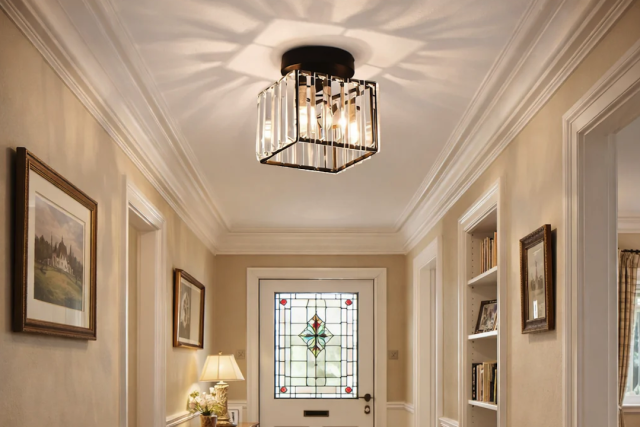
A transparent glass ceiling light can significantly impact a minimalist home aesthetic by offering clean lines, unimpeded light, and an uncluttered visual presence. In essence, it illuminates without dominating, allowing the intentionally sparse decor to shine through. This type of fixture is not about drawing attention to itself but rather about enhancing the overall atmosphere of simplicity and spaciousness.
When we talk about minimalism, we’re focusing on functionality, uncluttered visuals, and a sense of calm. Traditional light Lookinhome fixtures, with their opaque shades, ornate details, or bulky structures, can sometimes interrupt this carefully cultivated aesthetic. Transparent glass, on the other hand, offers a subtle yet powerful solution.
Unobtrusive Illumination
One of the primary benefits of a transparent glass ceiling light is its ability to provide illumination without becoming a focal point itself. The clear material allows light to pass through virtually unimpeded, spreading evenly across the room. This contrasts sharply with shaded fixtures that direct light in specific patterns, often creating shadows or areas of uneven brightness. In a minimalist setting, the goal is often a uniform, soft glow that enhances the space rather than highlighting specific objects.
Visual Lightness and Openness
Heavier, opaque fixtures can make a ceiling feel lower and a room smaller. Transparent glass, by its very nature, appears lighter and less substantial. This contributes to a feeling of openness and airiness, which is a cornerstone of minimalist design. It doesn’t visually “take up space” in the same way a solid fixture might, reinforcing the spaciousness and clean lines of the room. This effect is particularly beneficial in smaller rooms or areas with lower ceilings, where every visual element needs to contribute to a sense of expansiveness.
Reinforcing Clean Lines
Minimalism thrives on clean lines and simple forms. Many transparent glass fixtures embrace geometric shapes – spheres, cylinders, or simple domes – that align perfectly with this design principle. The absence of elaborate ornamentation means that the fixture itself is a straightforward form, complementing the often rectilinear or curvilinear elements already present in a minimalist home. It avoids visual clutter, allowing the architecture and furnishings to speak for themselves.
Key Features to Look for in Minimalist Transparent Glass Lights
Not all transparent glass lights are created equal, especially when aiming for a minimalist aesthetic. Certain design elements and features will better serve this particular style.
Simple Silhouettes
The shape of the fixture is paramount. Avoid anything with complex curves, multiple tiers, or decorative embellishments. Think spheres, cylinders, domes, or even simple rectangular boxes. The simpler the silhouette, the better it will integrate into a minimalist space without becoming a visual distraction.
High-Quality Glass
The quality of the glass makes a difference. Cheap glass can have imperfections, a greenish tint, or a wavy effect that detracts from the clean aesthetic. Opt for clear, well-finished glass that appears almost invisible when unlit. Borosilicate glass or hand-blown options often offer superior clarity and visual integrity.
Minimal Hardware
The metal components (canopy, rod, bulb holder) should be as minimal and understated as possible. Matte black, brushed nickel, or subtle brass finishes often work well, but the key is that these elements should blend in rather than stand out. Exposed wiring should be kept to a minimum or completely concealed within the fixture’s structure.
Practical Bulb Choice
Since the bulb will be visible, its appearance matters. Edison-style bulbs with their visible filaments can add a touch of warmth and vintage charm, but ensure they don’t introduce too much visual clutter if your style is extremely sparse. LED filament bulbs offer the aesthetic of traditional incandescent with the efficiency of modern LEDs. Consider the color temperature of the bulb, with warmer temperatures (2700K-3000K) creating a cozier atmosphere and cooler temperatures (3500K-4000K) fostering a more modern, crisp feel.
Placement & Application in Different Rooms
The beauty of transparent glass ceiling lights lies in their versatility. They can be effectively integrated into almost any room within a minimalist home.
Living Room
In a living room, a single, larger transparent glass pendant or a cluster of smaller ones can serve as a central light source. If the room is particularly spacious, a carefully considered grouping can add a subtle design element without overwhelming the space. The unrestricted light cast by these fixtures helps create an inviting and open atmosphere. For rooms with high ceilings, a longer drop pendant can bridge the vertical space without adding bulk.
Dining Area
Over a dining table, a linear transparent glass pendant or a row of small spherical pendants can provide focused illumination without creating shadows on the table. The light interacts beautifully with the surface of the table and the glassware, enhancing the dining experience. Again, the goal is clean, unobstructed light. Consider dimmable options to adjust the mood, from bright for family meals to a softer glow for evening entertaining.
Bedroom
In a bedroom, a clear glass ceiling light can provide ambient light without being visually intrusive. Paired with bedside lamps with similar minimalist aesthetics, it contributes to a serene and uncluttered sleep environment. A single, elegant sphere or a simple cylindrical fixture can be sufficient. The key here is not to have overly bright direct light, so dimmable features are particularly useful.
Kitchen
Kitchens benefit greatly from bright, shadow-free lighting. Transparent glass ceiling lights, especially flush-mount or semi-flush options, can provide excellent general illumination. Over an island or peninsula, individual pendants can offer task lighting without blocking views or making the kitchen feel cramped. They are also easy to clean, which is a practical consideration for a kitchen.
Hallways and Entryways
These transitional spaces often benefit from unobtrusive lighting. A simple transparent glass fixture can brighten a hallway without becoming a dominant feature. Its ability to spread light evenly helps eliminate dark corners and makes these areas feel more welcoming and open. For longer hallways, a series of identical fixtures spaced strategically can create a cohesive flow.
Maintenance and Upkeep for Optimal Appearance
While transparent glass ceiling lights offer a clean aesthetic, they do require some specific attention to maintenance to keep them looking their best.
Regular Dusting
Dust is the enemy of transparency. Regular dusting with a microfiber cloth is essential. Dust particles caught on the glass or even on the bulb itself can become visible, detracting from the desired clean look. Make this part of your routine cleaning.
Fingerprint Smudges
Fingerprints are another common issue, especially during installation or bulb changes. Use a glass cleaner specifically designed for streak-free results and apply it to a clean microfiber cloth, rather than spraying directly onto the fixture, to avoid residue build-up on electrical components.
Bulb Cleaning
Since the bulb is often visible, it also needs to be kept clean. Dust and smudges on the bulb itself will affect the quality and clarity of the light. Ensure the fixture is off and cool before gently wiping the bulb with a dry or slightly damp microfiber cloth.
Inspection for Clarity
Periodically inspect the glass for any internal condensation (if applicable for some sealed designs) or discoloration. While high-quality glass should resist this, environmental factors can sometimes play a role. Prompt attention to these issues can prevent them from becoming more pronounced.
Integrating with Other Minimalist Elements
A transparent glass ceiling light doesn’t exist in isolation; its impact is amplified when thoughtfully integrated with other elements of a minimalist interior.
Complementary Materials and Textures
Consider how the light fixture interacts with other materials in the room. Natural wood, concrete, stone, and simple fabrics like linen or cotton all pair well with the clean lines and clear nature of glass. The contrast between the fragile transparency of the glass and the sturdy natural materials can be quite appealing.
Color Palette Cohesion
Minimalist color palettes often revolve around whites, grays, blacks, and subtle earth tones. A transparent glass light fixture naturally fits into this scheme as it introduces very little color itself, allowing the chosen palette to remain undisturbed. If subtle metal accents are present on the fixture, ensure they align with other metal finishes in the room (e.g., door handles, furniture legs).
Strategic Lighting Layers
While a transparent glass ceiling light provides excellent ambient illumination, remember that a truly functional and aesthetically pleasing minimalist lighting plan often involves layers. Complement your ceiling fixture with simple, functional table lamps or floor lamps for task lighting or to create a warmer, more intimate atmosphere in the evenings. The key is that these additional lights should also adhere to the minimalist principles of clean lines and simple forms.
Avoiding Clutter
The primary principle of minimalism is the absence of clutter. A transparent glass light fixture supports this by not adding visual weight. Ensure that the rest of the room follows suit. Every object should have a purpose and a place, allowing the clarity of the light to enhance the overall sense of spaciousness and calm.
Hottest Posts
Lighting
Space-Saving Curved Arm Wall Sconce Perfect for Reading Nooks
Pendant light
Height Adjustable Asymmetrical Pendant Light for Outdoor Dining Area
Lighting
Japandi-Inspired Living Room: Paper and Oak Lighting
Lighting
Subtle Pantry Lighting: Leave On Low for Convenience
Lighting
Soft and Gentle Kitchen Sink Lighting
Decoration
Modern Night Light Cage Shade Ceiling Lamp: A Stylish Addition to Any Room